Related Articles
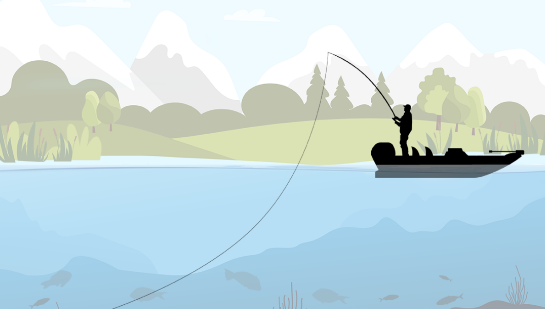
Bottom Fishing : An All-Inclusive Handbook on the Art and Methodology
Anglers that concentrate on catching fish that live close to the bottom of rivers, lakes, and seas sometimes employ bottom fishing. This approach calls for particular set of abilities, gear knowledge, and awareness of fish behavior. The principles of bottom fishing, recommended methods, required gear, and success strategies will be discussed in this page.
Comprehending Bottom Fishing
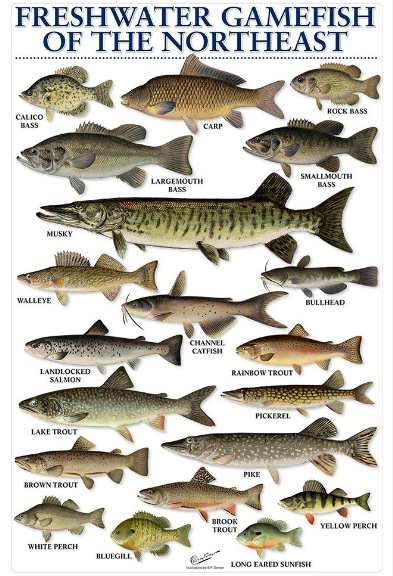
Using baited hooks or lures dropped near the seafloor, bottom fishing is It targets often near-bottom feeding species including flounder, catfish, and snapper. Understanding the ecology and behavior of these fish helps fishermen raise their possibilities of a good harvest.
Benevolent Ecosystems Beneath Surface Level
One should first grasp the undersea environment before learning methods. Various species find home in rocky outcrops, sandy bottoms, and muddy estuaries among other places. Every one of these habitats supports many kinds of bait and fish.
Fish Behavior:
Fish behavior depends greatly on species and season of year. For example, certain species prefer deeper or shallower waters depending on the season; others are more active during particular times of day. Good bottom fishing depends on a recognition of these trends.
Important Equipment for Bottom Fishing
Your fishing experience will be much different depending on the correct gear. The fundamental tools required for bottom fishing are broken out here.
Rod and Reel
Choosing the right rod and reel is really basic. To handle the weight of the fish and the outfit, bottom fishing usually calls for bigger gear. Usually around 6 to 8 feet length, a medium to heavy action rod goes well with a dependable spinning or baitcasting reel.
Line of action
Furthermore very important is the line chosen. Because of its strength and sensitivity, braided lines are sometimes recommended for bottom fishing. Depending on the species aimed after, a line strength of 20 to 50-pound test is typical.
Terminal tackles
Hooks, weights, and swivels make up terminal tackle. The type and size of the hook should correspond with the species that is the target. For many bottom species, for example, circle hooks are preferred since they raise the likelihood of a successful catch free from deep hooking.
Attractiveness
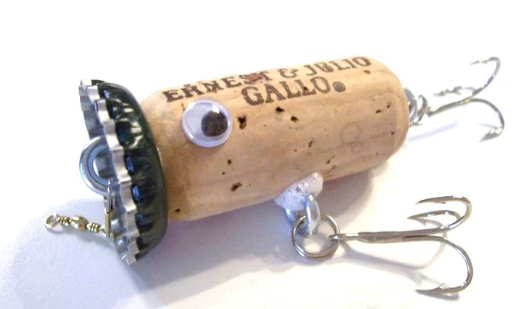
Choosing the proper bait is quite vital. Usually the most successful is live bait, including cut bait, minnows, or shrimp. Artificial lures are also available, though, particularly ones meant to resemble bottom-dwelling species.
Methods for bottom fishing
It’s time to investigate the several methods for bottom fishing since you have the correct equipment. Developing these techniques will improve your fishing performance and raise your success rate.
Anchoring
Bottom fishing depends on anchoring since it keeps you in the intended zone. Over the intended location, position your boat and drop anchor. You can find interesting locations with a fish finder or a GPS.
Chumming in
Chumming is distributing bait into the lake to draw fish. For species drawn to food sources especially, this approach is quite successful. To produce a scent trail, toss bait overboard or use a chum bag.
Riggings
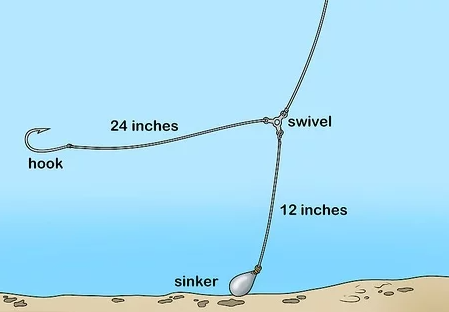
Good bottom fishing depends on you properly setting up your gear. Usually composed of a weight at the bottom, a swivel above it, and one or more hooks fastened to leader lines, a frequent rig is the bottom rig. This arrangement keeps the bait in the strike zone but lets it rest on the bottom.
Drop and Reel, then
Drop your rig to the bottom and gently reel it back in such that the bait moves naturally once it is set. Watch any bites and be ready to set the hook should you feel resistance.
Greatest Sites for Bottom Fishing
Your bottom fishing results will be much enhanced by the location you choose. Here are some great locations to give thought:
Structures and Reefs
Fish that live at the bottom find great homes both naturally and manmade reefs. Fish find lots of hiding places in these vibrant environments. If you have a boat, looking around local reefs can produce fantastic results.
Drop-offs and Ridges
Excellent targets are also drop-offs and undersea ridges. Especially during feeding times, fish gather at these sites rather commonly. You can more readily find these characteristics by using a fish finder.
Marhes and Estuaries
For species like flounder and catfish especially, estuaries and marshes are fruitful habitats. Freshwater and saltwater together produces a special ecosystem that draws different kinds of fish.
Seasonal Concerns for Underground Fishing
Changing seasonal fish behavior affects bottom fishing techniques. Knowing these seasonal trends will help you be more successful.
Springtime
Many species start their seasons of reproduction in spring. Fish get more active when water temps climb. It can be rather successful to target small regions close to spawning sites.
Summer heat forces fish toward deeper waters during the day. When fish are more active near the surface, concentrate on cooler, deeper areas or fish in early morning or late evening hours.
Fall.
Fish start getting ready for winter when fall temperatures decrease. Fish are generally found in shallower waters feeding voruously before the cold sets in, hence this is a great period for bottom fishing.
Winter
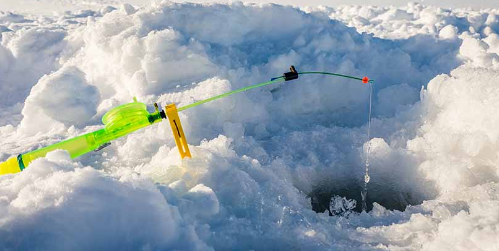
Given many fish lose their activity in winter, winter fishing can be difficult. Still, focusing on deeper areas or employing live bait can have benefits. In colder climes, another choice is ice fishing.
Bottom Fishing Safety and Conservation
Though bottom fishing can be a fun activity, conservation and safety should always come first.
First Concern : Safety
Always be mindful of your surrounds and use a life jacket. Make sure you have all required safety gear aboard if you fish from a boat.
Methods of Conservation
Follow local rules on size limits and bag limitations to practice ethical fishing. This guarantees a sport’s sustainable future and helps to maintain fish numbers.
In summary
Combining knowledge of fish behavior, dexterity, and patience, bottom fishing is a gratifying method. Anglers can have great trips and help to preserve aquatic environments by using the correct gear, methods, and respect of the surroundings. Whether you’re a novice or an experienced angler, bottom fishing presents an interesting approach to interact with the surroundings and savor the excitement of the capture. So get ready, go to your preferred location, and savor the journey that lies under surface level!