Related Articles
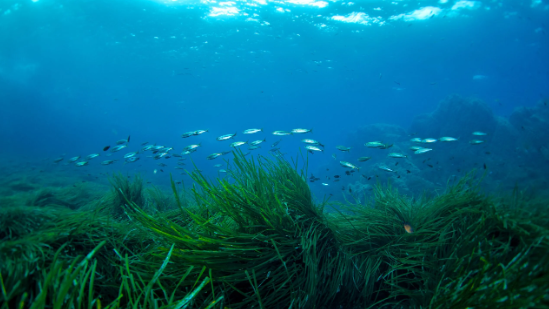
Knowing Fish Habitats: Where to Look for the Greatest Catches
Fishing is an art that calls for a thorough awareness of fish habitats, not only a past time. Any angler trying to raise their catch rate has to know where to find fish. We shall investigate several fish habitats, their features, and the best ways to find fish in these surroundings in this paper. Knowing fish habitats will improve your fishing experience whether your level of experience is new or seasoned.
List of Contents
Introduction to Aquatic Systems
Various Fish Habitats: kinds of environments
Freshwater ecosystems
Saltwater habitats
salient Features of Fish Habitats
Seasonal Variations in Aquatic Habitats
Advice on Locating the Best Fishing Sites
- Overview of Fish Habitats
Fish habitats are places fish dwell, flourish, and procreate. Affected by elements including water temperature, salinity, flora, and topography, these environments can differ greatly. Any angler trying to maximize their fishing success must first understand these components.
Why Knowing Fish Habitats Matters
Your fishing results can be much enhanced by your awareness of and understanding of various fish habitats. Knowing where some fish species flourish can help you to focus your activities more precisely. This information will help you to maximize your general pleasure of the sport and save time.
- Varieties of Fish Habitats
Two basic sorts of fish habitats might be generally freshwater and saltwater. Every kind has unique qualities and helps different kinds of fish.
Freshwater Environments
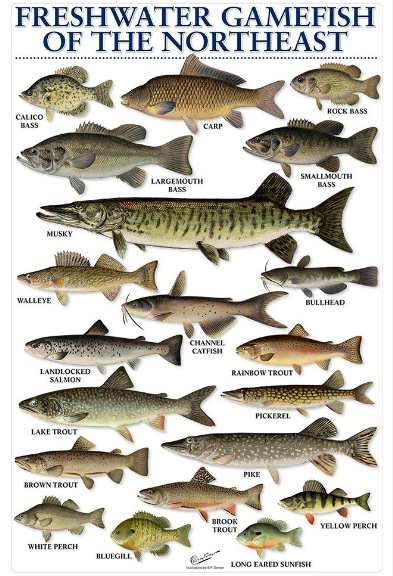
Freshwater ecosystems comprise rivers, lakes, ponds, and streams. Usually, low salinity levels define these surroundings. Among the typical freshwater environments and their characteristics are:
Rivers and streams are flowing bodies of water varying in speed from slow-moving streams to fast-flowing rivers. Commonly seen in these areas are fish including bass and trout.
lakes and ponds: Greater volumes of calm water. Different zones abound in lakes, including the littoral zone that which is near the shore and the pelagic zone that open water. Here one finds species including pike and bluegill.
Watery environments: Rich in biodiversity, marshes and swamps are essential habitat for many different fish species.
Saltwater Homes
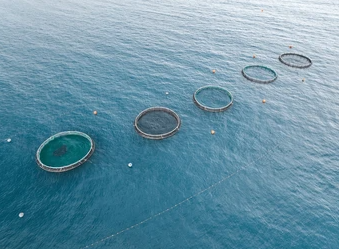
Saltwater ecosystems comprise oceans, seas, and estuaries. Higher salinity levels and support for a wide spectrum of marine species define these habitats. Important saltwater environments comprise:
Renowned for their rich ecosystems, coral reefs house several fish species like angelfish and clownfish.
Estuaries are highly productive environments where freshwater meets saltwater that offer vital nursery grounds for many fish species.
Open Ocean: Fish like tuna and marlin call the large, deep oceans home.
Three Important Features of Fish Habitats
Knowing the features of several fish habitats will enable anglers find fish more precisely. These are some important elements to give thought:
Water Temperature:
Being ectothermic, fish’s body temperature is controlled by the nearby water. Various species find home in particular temperature ranges. For example, whereas species like bass are usually found in warmer circumstances, trout prefer colder waterways.
Aquatic vegetation offers many fish species necessary cover and breeding habitat. Fish looking for cover and food frequently find areas with lots of vegetation, such lily pads or submerged plants appealing.
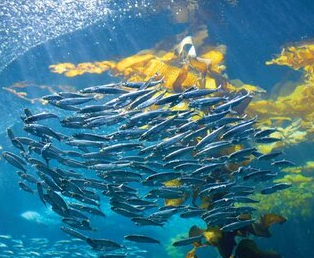
depth and structure
Fish behavior can be affected by the physical layout of a habitat including underwater constructions, logs, and rocks. Fish frequently search for places with structure since they offer hiding places and feeding sites. Depth also is important; certain species flourish in deeper waters while others prefer shallow waters.
- Seasonal Variations in Fish Habitats Fish habitats could vary greatly depending on the season. Knowing these periodic trends will enable fishermen modify their approach.
Spring.
Rising water temperatures in spring cause many fish species to start mating activities. Fish can thus usually be found in shallow waters, especially close to breeding sites. Look for places with structure and greenery.
Summer’s
Fish often migrate to deeper regions during the hottest sections of the summer, seeking cooler waters. Fishing is best early in the morning and late in the afternoon when fish enter shallower waters to feed.
Fall
Fall signals a change as fish get ready for winter. Many species will eat vigorously in advance of the colder months. Look for fish in shallower areas at this time, especially close to places of spawning.
Winter has
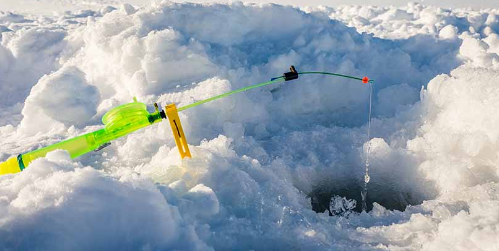
Fish metabolism slows down in winter and they could become less active as well. Many species will migrate to farther-off seas. In colder climes, ice fishing becomes popularity and anglers have to modify their methods to properly target fish in these environments.
- Advice for Locating the Best Fishing Sites
Having now investigated the several kinds of fish habitats and their features, let us now go over some useful advice for locating the finest fishing locations.
Local Policies Research
Familiarize yourself with local fishing rules before you go. This covers knowing protected regions, size restrictions, and particular fishing seasons. Following these rules guarantees environmental friendly fishing methods.
Make Use of Technology.
Modern technologies provide several tools meant to improve your fishing experience. Fish finders and GPS tools can assist in underwater structural and depth identification, so enhancing your chances of finding fish.
See the Nature.
Spending some time to look about you can reveal important information. Look for indications of fish activity include ripples on the water’s surface, jumping fish, or birds diving for bait. These signs will direct you to successful fishing areas.
Join Local Fishermen’s Communities
Getting in touch with nearby fishermen might give you important knowledge about the top fishing locations in your neighborhood. Excellent tools for sharing ideas and experiences are online forums, social media groups, and neighborhood fishing clubs.
Try out several approaches.
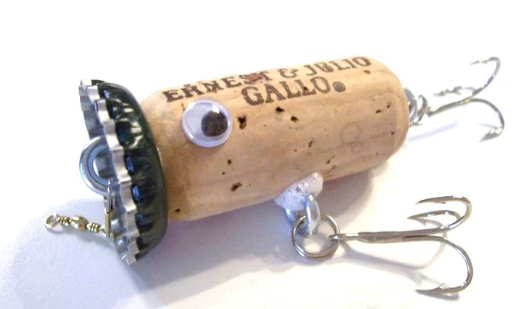
Every fishing spot is different; what works in one place could not in another. Testing several fishing approaches, baits, and lures will help you find the best one for the habitat you have selected.
- Final Thought
Any angler trying to raise their catch rate has to first understand fish habitats. Your fishing experience can be much improved by knowing the several kinds of habitats, their features, and the seasonal fluctuations influencing fish behavior.
Whether you fish in freshwater or saltwater, the knowledge in this article will assist you to find the greatest fishing areas and have a more successful trip. Recall that the trip is just as important in fishing as the result. While following your love of fishing, embrace the process, grow from your mistakes, and savor the wonders of the outdoors. Content fishing.