Related Articles

Optimal Strategies for Ecological Fishing
For societies all around, fishing has long been a vital source of food, income and cultural legacy. But unsustainable methods and overfishing endanger marine ecosystems and the viability of fishing itself going forward. The best techniques for sustainable fishing will be discussed in this paper so that this essential resource may be enjoyed for next generations.
Recognizing Ecological Fishing
Sustainable fishing: what is it?
Sustainable fishing is the method of obtaining fish such that aquatic ecosystems’ health and fish population are preserved. This entails applying techniques that reduce environmental effect so as to guarantee stable fish populations and prevent damage to other marine life by fishing operations.
The Value of Ecological Fishing
One cannot emphasize the need of sustainable fishing. It guarantees food security, boosts nearby businesses, and helps to preserve wildlife. The demand for seafood rises as the world’s population grows, thus it is imperative to follow policies free from compromise of the health of our oceans.
Best Methods for Ecological Fishing
1. Using environmentally friendly tools
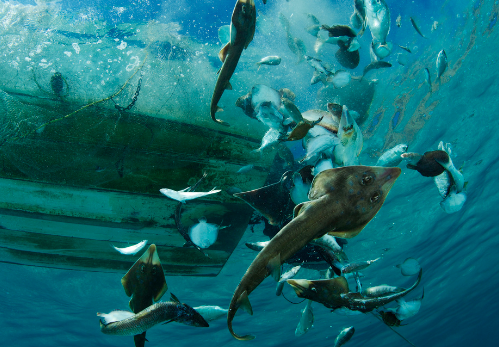
Using environmentally friendly gear is among the best strategies to support sustainable fishing. Many times, conventional fishing techniques result in bycatch unintentionally caught and thrown away species. Using more selective fishing equipment such as fish traps and circular hooks allows fishers to lower bycatch and limit damage to coastal environments.
Advantages of environmentally friendly gear lowered bycatch Targeting particular species, selective gear helps to lower the unwanted catching count.
Eco-friendly products often do less harm to other environments including the ocean floor.
Using more focused techniques can result in better quality catches of fish, therefore benefiting fisherman over time.
2. Establishing Responsible Catch Limits
Sustainable fishing depends on set and followed responsible catch limits. Designed to stop overfishing, these restrictions are based on scientific estimates of fish numbers. Fish stocks can recover by keeping within these constraints, therefore guaranteeing a consistent supply for next generations.
Setting Catch Limits
Research and Data Collection: Find ideal catch limits for different species by consulting scholarly publications.
Involve local fishing groups in conversations on catch restrictions and environmentally friendly methods.
Establish systems to track adherence to catch limits and penalize infractions.
3. Helping Local Fishers
Another ideal habit for sustainable fishing is deciding to help nearby fisheries. Generally speaking, local fisheries use more sustainable techniques than large-scale commercial operations. Buying seafood from nearby sources lets customers support the local economy and help to lower the carbon footprint related with fish transportation.
Benefits of Local Fisheries Support
Local fish is sometimes fresher and better than imported choices.
Supporting local fisheries helps to maintain fishing customs and supports local economy.
Reducing transportation need helps to lower carbon emissions and fuel use.
4. Seasonal Fishing: Practicing
Various fish species breed throughout different seasons. Seasonal fishing lets fishermen let fish numbers flourish and recover. This habit guarantees that fish populations stay healthy and helps to preserve the equilibrium of marine environments.
Methods of Seasonal Fishing Implementation
Knowledge of Spawning Season: Share with fishermen the seasons of spawning for different species.
Establish seasonal restrictions: Support local rules prohibiting fishing during important spawning seasons.
Work with nearby populations to raise knowledge of and adherence to seasonal fishing methods.
5. Promoting Aquaculture
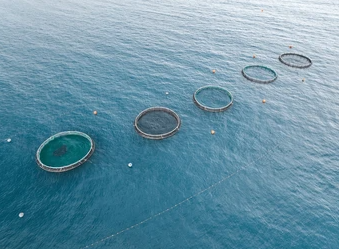
One increasingly popular substitute for wild-caught fishing is aquaculture, sometimes known as fish farming. Aquaculture done sustainably can reduce demand on wild fish supplies while nevertheless offering a consistent supply of seafood. Using sustainable feed, cutting pollution and guaranteeing humane treatment of fish are among the responsible aquaculture techniques.
Advantages of Eco-friendly Aquaculture
Aquaculture can help satisfy seafood demand without running down wild fish numbers.
Operations of sustainable aquaculture can generate employment in nearby towns.
Research and invention in sustainable technologies and practices are driven by aquaculture.
6. Participating in efforts toward marine conservation
Promoting sustainable fishing methods depends on one helping marine conservation projects. Efforts at conservation help to preserve the general state of marine ecosystems, rebuild fish numbers and safeguard habitats.
Approaches for Participating in Conservation
Possibilities for volunteers: Join nearby groups working on habitat restoration and maritime protection.
Training and Advocacy: Bring attention to in your neighborhood the value of maritime protection.
Support legislation: Support laws and rules safeguarding maritime habitats and encouraging of sustainable living.
Consumers’ Part in Sustainable Fishing
Making Smart Seafood Selections
Encouragement of sustainable fishing methods is much aided by consumers. Making wise seafood decisions helps people to inspire the business to use more environmentally friendly practices. Search for certifications that show seafood comes from sustainable fisheries, such the Marine Stewardship Council (MSC) label.
Advice for Selecting Sustainable Seafood:
Investigate marine food sources : Learn about the sources of your seafood and the techniques used in catching it.
Questions : Find out if seafood in markets and restaurants is sustainable.
Select sustainable solutions : Select seafood species that are plentiful and caught sustainably.
Helping Sustainable Companies
Many companies give sustainability top priority in their fishing operations. Supporting these businesses lets consumers help to create a more environmentally friendly fishing sector. Look for companies with certifications from credible organizations and open about their procurement policies.
Final Thought
Maintaining marine habitats and guarantees of fish population lifespan depend on sustainable fishing. We can all help to create a better ocean by implementing best practices include using environmentally friendly gear, following catch limits, helping local fisheries, practicing seasonal fishing, supporting aquaculture, and conservation activities.
Additionally very important in this process are consumers. People may increase demand for seafood supplied ethically by choosing wisely and supporting sustainable businesses. Working together, we can make sure fishing stays a profitable and environmentally friendly sector for next generations.
Adopting these best practices not only helps to preserve our oceans but also guarantees the future of fishing a resource that has fed humans for millennia. Let’s cooperate to guarantee that our oceans will always be rich and vivid for next generations.