Related Articles
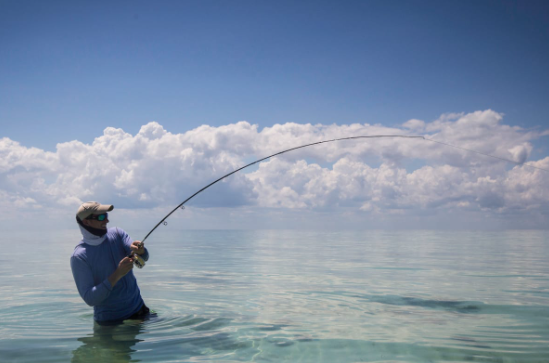
Fly Fishing : An Overview of the Angling Craft
Fly fishing is an art form, a means of connecting with nature and a hobby needing knowledge, skill, and patience rather than only a way to catch fish. This thorough guide will address all you need to know about fly fishing, regardless of your level of experience or eagerness to learn.
Describes Fly Fishing.
Using a lightweight lure known as a fly, fly fishing is a distinct kind of fishing. Fly fishing depends on the presentation of the fly to draw fish unlike conventional fishing when bait is used to draw them. Using a specialist fly rod and line, the fly is thrown such that it presents delicate movements like to those of insects and other creatures.
Fly Fishing : Background
Fly fishing has its roots in prehistoric times. The first known stories are from the Roman era, when hunters employed crude flies derived from fur and feathers. Fly fishing has changed over ages and evolved with several techniques and styles developing. Thanks to major equipment advances in the present era, everyone may participate in the sport.
The Tools You Need
You will need proper gear to start your fly fishing adventure. Every fly fisherman should ideally have these basic tools.
Flight Rods
The most vital piece of gear is the fly rod. Its modest weight and flexibility let for exact casting. Various lengths and weights of rods fit different fishing conditions and species.
Length: While shorter rods are appropriate for little streams, longer rods are perfect for bigger bodies of water most fly rods fall between 8 and 10 feet.
Weight: The rod should weigh exactly what the fly line you will be using calls for. Lighter rods (2-5 weight) are often for smaller fish; heavier rods (6-10 weight) are for more sizable species.
Managing the fly line and offering drag upon a hooked fish depend on fly reels. Think about the following while selecting a fly reel:
Reels are composed of graphite, aluminum, or both combined. Graphite reels are lighter aluminum reels are more robust.
Drag mechanism: Control of the fish throughout the battle depends on a flawless drag mechanism.
Fly Routes
Specialized lines meant for casting flies are fly lines. Among their several forms are floating sinking, and intermediate lines. The water conditions and the sort of fish you are aiming for will determine the kind of line you decide upon.
Perfect for dry flies and surface fishing are floating lines
Perfect for nymphing methods and deep waters is sinking lines.
When you want fish right below the surface, you use intermediate lines.
Insects : flies
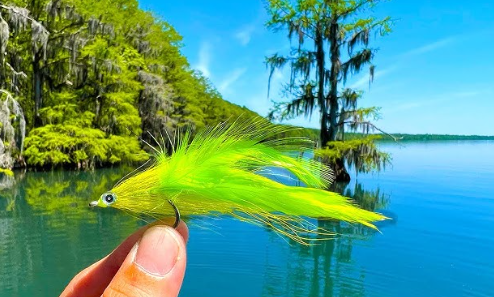
Fly fishing uses lures called flies, which come in innumerable designs and patterns. Three basic categories can help one classify them:
Designed to float on the surface of the water and mimic insects, dry flies.
Sunk under the surface, wet flies resemble aquatic insects or tiny fish.
Larger flies that mimic baitfish or other bigger prey are streamers.
Learning the Foundations of Fly Casting
Fly fishing calls for a basic ability in casting. Learning several casting forms can help you to increase your distance and accuracy These salient features will help you to start.
The Standard Cast
Beginners must have a basic cast, sometimes referred to as the “overhead cast.” You should follow these guidelines:
With your dominant hand, grip the rod with your thumb on top.
Starting behind you, position the line on the surface of the water.
Lift the rod gently and return it over your shoulder maintaining a high tip. This loads the rod.
Move the rod forward steadily to release the line at the peak of your forward motion.
Cast of Roll
In confined areas where a backcast is not feasible, the roll cast comes in handy. Here is how to do it:
Holding the line in front of you, start at a 45-degree angle on the rod.
To produce a loop of line, sweep the rod to the side.
Propel the rod ahead such that the line rolls out and settles on the water.
Selecting the Correct Spot
Your success in fly fishing will be much influenced by the spot you decide upon. Here are some common settings and advice for each.
Freshwater rivers and lakes
Many well-known species include trout, bass, and panfish call freshwater habitats home.
Look for places with structure such as boulders and fallen trees that would be ideal for trout to hide.
Access deeper places where bigger fish might be discovered with a boat or float tube at Stillwater Lakes.
Fly fishing in saltwater
Targeting bigger species such tarpon, bonefish, and permit, saltwater fly fishing provides the excitement.
Shallow sections are perfect for seeing and throwing to fish. Steep your way to avoid spooking them.
Offshore fishing for bigger species calls for heavier equipment. Be ready for protracted battles.
Appreciating Fish Behavior
One must grasp fish behavior if one is to be a good fly fisherman. Here are some salient features to give thought.
Food Routines
Usually early morning and late afternoon, fish are more likely to be active at specific periods of the day. Knowing their feeding routines will enable you to select the correct flies and methods.
Water’s temperature
Cold-blooded animals, fish rely much on water temperature for their degree of activity. While colder water can inhibit metabolism and feeding, warmer water usually boosts both.
Perfecting Fly Fishing Methodologies
Once the fundamentals are under control, you can investigate several approaches to improve your fly fishing performance.
Nymphing
Among the best strategies for capturing fish below the surface is nymphing. It calls for sinking and drifting weighted flies along the bottom.
Fly Fishing Dry Driven
Fishing using dry flies calls both accuracy and expertise. To resemble actual insects, you must softly show the fly on the surface of the water.
Streamer Hunting
Larger flies are used in streamer fishing to replicate baitfish. For aiming at predatory animals, this method works well.
Environmentalism and Ethical Fishing
Fly fishers have to engage in sustainable fishing since it is our duty. These pointers will help to guarantee the protection of our rivers.
Release caught in catch-all
Maintaining fish numbers depends on practice in catch and release. Handle fish gently, reducing air exposure and damp hands will help.
Respect Local Guidelines
Always follow local fishing rules including bag restrictions and size limits. This guarantees that fish numbers stay good for next generations.
Fly Fishing : Community and Culture
Fly fishing is a community not only a hobby. Participating in local groups or internet forums can enable you to network other fishermen, exchange advice and meet new fishing friends.
Taking Notes from Others
See seasoned anglers for assistance without delay They can offer priceless insights and methods to help you grow in ability.
Taking part in activities
Fly fishing events and contests abound in many areas. Participating will improve your abilities, provide networking chances, and increase your respect of the sport.
Ultimately, welcome Fly Fishing’s journey.
A fulfilling hobby combining ability, patience, and a strong respect of the environment is fly fishing. Mastery of the skills, knowledge of fish behavior, and respect of the surroundings will improve your fishing experience and help you to be a responsible fisherman. Fly fishing promises adventure and excitement whether your trip is on a calm river or in the ocean fighting a trophy fish. So get ready, go outside, and really learn the art of fly fishing.