Related Articles
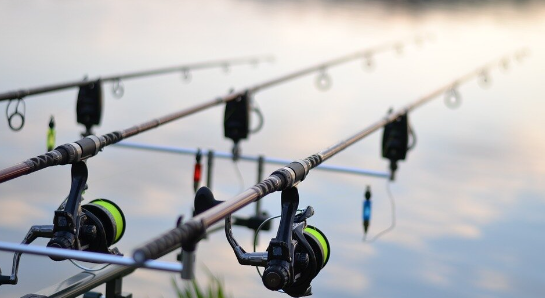
Spin fishing: a thorough manual for aficionados
Among the most often used and easily available types of angling worldwide is spinning fishing. Spinning fishing provides a flexible approach to catch different fish species regardless of your level of experience as an angler or novice wishing to investigate this interesting pastime. We will explore the nuances of spinning fishing in this essay, covering all from tools and methods to advice for success and environmental practices.
Spinning Fishing: What is it?
Appreciating the Foundations
Using a spinning rod and reel, spinning fishing casts manmade lures or baits. Many fisherman love the spinning reel since its simple casting and retrieval design lets you easily retrieve it. Particularly successful for catching species including bass, trout, pike, and more is this approach.
The Toolkit
The important tools for spinning fishing consist in:
Usually light-weight and flexible, spinning rods are meant to manage different lure weights.
Mounted below the rod, the spinning reel has an open-face design that facilitates simple line management.
Commonly used and with different benefits are braided, monofilament, or fluorocarbon fishing lines.
Fish can be drawn with a variety of lures including spinners, spoons, jigs, soft plastics.
Spinning Fishing’s History: Early Years
Originating in Europe and North America, spinning fishing first emerged in the late 19th century Simple early spinning reels were commonly constructed from metal and wood. Technological developments over time resulted in the creation of contemporary spinning reels, therefore improving their performance and lifetime.
Methodological Evolution
As spinning fishing became well-known, several methods surfaced. Anglers started testing several lures, retrieval techniques, and fishing surroundings. From freshwater to saltwater fishing, spinning fishing today covers a broad spectrum of techniques.
Advantages of spinning fishing accessibility for every degree of skill
Accessibility of spinning fishing is among its most enticing features. Anyone can enjoy spinning fishing regardless of level of experience. Spinning gear’s simple design helps one to learn and master it.
Flexible Methodologies
Among the several strategies possible in spinning fishing are casting, jigging, and trolling. Anglers’ adaptability to various fishing environments and target range of species depends on this flexibility.
Year-Round Activities
Depending on the region and fish species, spinning fishing also allows one to practice year-round. Spinning presents chances in all seasons, whether your fishing in a summer lake or in a winter ice lake.
Selecting the Correct Spinning Wheel
Choose the correct rod.
As you choose a spinning rod, take into account the following:
Usually running from 5 to 8 feet, spinning rods While shorter rods offer superior control, longer casts made possible by longer rods enable for
The flexibility of the rod defines its action. Slow-action rods bend deeper down the blank; fast-action rods bend at the tip and offer sensitivity.
Rod power describes its strength and handling capability over varying fish sizes. For lesser species, choose a light rod; for larger fish, choose a medium- or heavy rod.
Selecting the ideal reels
Likewise crucial is selecting the correct spinning reel. Think over these elements:
Size: Usually falling between 1000 and 8000, spinning reels come in a range. Lighter tackle calls for smaller reels; larger reels can handle more sizable fish.
The gear ratio controls the speed of line retrieval. Whereas a lower gear ratio provides more torque, a higher gear ratio gets the line faster.
Effective struggle against fish depends on a smooth drag mechanism. Search for reels with changeable drag to fit various fishing conditions.
Variations in Fishing Lines
Success in fishing depends on choosing the correct line. The main varieties are:
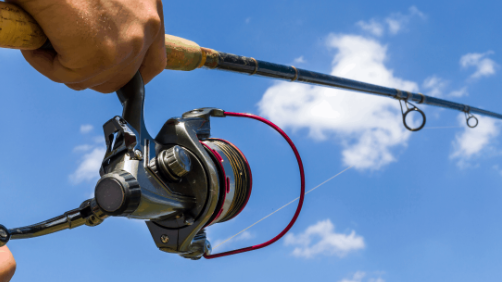
Beginning users often choose monofilament because of its price and simplicity of use. Its good stretch could help in combat with fish.
Under clear water circumstances, fluorocarbon is perfect since this line is almost undetectable underwater. It has great sensitivity and little stretch.
Little to no stretch and great strength define braided lines. For heavy cover, they are excellent; they can even manage bigger fish.
Important Methods for Spinning Fish
Casting Styles
Spin fishing depends on mastering casting methods. These are some important techniques:
Most often used casting method is overhead. Holding the rod at shoulder height, flick the wrist and release the line following through.
Useful for casting under low-hanging branches or barriers, this method entails casting parallel to the ground.
Techniques called pitching and flipping let for more exact casts. While flipping employs the weight of the lure to drop it into close quarters, pitching entails a quick, under control motion.
Retaking Lures
Your success will be much influenced by how you recover your bait. Popular retrieval methods include these:
One easy method is steady retrieve, in which case you retrieve the bait at a constant speed. Many animals benefit from this.
Stop-and-go behavior: Pausing your retrieve periodically will help you to replicate the movement of wounded creatures. Predatory fish can so set off strikes.
Jigging is the vertical action raising and dropping the lure technique. In deeper seas especially, it can be quite successful.
Comprehending Fish Behavior
Successful spinning fishing depends on a knowledge of fish behavior. Fish respond to elements including:
Water Temperature: Various species like different tempers. Your chances will be higher if you know the perfect temperature range for your target species.
Conditions of the Weather: While brilliant, sunny days may call for alternative strategies, overcast days might improve fishing activity.
The time of day: Fish are most likely found early in the morning and late in the afternoon since many species are more active at these periods.
Ideal Sites for Spin-Fi Fishing
Freshwater Fishing Areas
One can enjoy freshwater spinning fishing anywhere, including:
Targeting species including bass, trout, and panfish, lakes are perfect. Look for places with structure, such fallen trees or submerged rocks.
Rivers and streams are: Excellent chances to capture trout and other species abound from flowing rivers. Pay especially attention to eddies, pools, and current breaks.
In ponds: Many times, smaller bodies of water feature a range of fish. For beginners learning their trade, they can be fantastic venues.
Locations for Saltwater Fishing
Along coasts, piers, and bays, saltwater spinning fishing presents interesting prospects. Principal sites include:
Fish of many kinds, including flounders and striped bass, find attraction at Jetties and Piers. Results from casting close to the rocks can be outstanding.
Targeting redfish and snook, anglers can fish from the coast in surf zones. Deal with the waves using heavier tackle.
Estuaries: Rich in nutrients and drawing a variety of marine life, these places where freshwater meets saltwater
Advice for Perfect Spinning Fishing
Exercise patience and attentiveness.
Fishing depends mostly on patience. Spend some time watching the water, search for indications of fish movement, and modify your approach. This will raise your possibilities of success.
Play around with lures.
Various lures apply to different situations and fish species. Experiment with several colors, sizes, and designs without delay until you discover what best fits your particular target fish and area.
Maintaining Current on Regulations
Location and species determine fishing rules. To be sure you’re fishing responsibly, always review local rules on bag restrictions, size limitations, and fishing seasons.
Conservation Methods Honoring the Environment
Anglers must practice conservation if we are to safeguard our rivers and fish numbers. Here are some guidelines for conscientious fishing:
Practice catch-and-release fishing whenever at all feasible. This guarantees that next generations can enjoy the sport and helps preserve fish numbers.
Handling fish you intend to maintain gently will help to reduce stress. Before touching the fish, moist your hands; keep them out of water for no more than a short time.
Always tidy up after yourself. Properly dispose of your rubbish and consider your effects on the surroundings.
Supporting Regional Conservation Projects
Think about helping nearby conservation groups aiming at safeguarding aquatic environments and endorsing environmentally friendly fishing methods. Many of these groups provide advocacy projects, educational courses, and volunteer chances.
Finally
One fulfilling and fun hobby that provides a special relationship to nature is spinning fishing. Right tools, methods, and expertise will help you improve your fishing performance and raise your chances of success. The excitement of spinning fishing awaits you whether your casting from the shore, a boat, a pier, or another point of view.
Remember to honor the surroundings, practice patience, and keep learning as you start your spinning fishing adventure. Every excursion will help you to not only hone your abilities but also leave lifelong memories in the great outdoors. Enjoy your fishing!