Related Articles
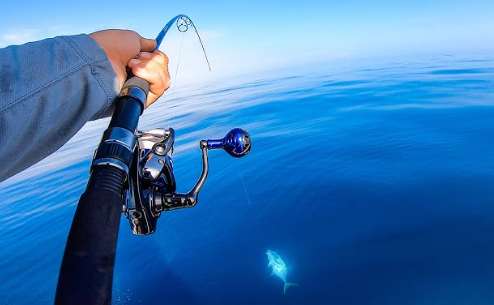
Essential Techniques for Successful Jigging
Exciting and successful, jigging fishing has become somewhat popular among anglers all around. This approach uses a jig, a kind of fishing lure meant to be dropped and recovered in a manner that replics the movement of baitfish. From its background and methods to advice for success and environmental concerns, this thorough book will cover all aspect of jigging fishing.
Jigging fishing is what?
Appreciating the Foundations
Attracting fish with a weighted lure called a jig is the method known as jigging fishing. Usually composed of a hook and a heavy head, the jig sink fast to the intended depth. Anglers then make the lure seem alive by using a sequence of vertical motions called jigging, therefore drawing inbound fish to strike.
Variations of Jigs
Jigs come in several forms, each meant for certain fishing environments and species. Among the most common are:
Often found in freshwater and saltwater applications, casting jigs are made for long-distance casting.
Usually dropped straight down before being retrieved, vertical jigs are utilized in deep-water fishing.
Made from either natural or synthetic hair, bucktail jigs are good for species including striped bass and flounder.
Popular among bass fisherman, soft plastic jigs have soft bodies that mimic a genuine look.
Jigging Fishing’s History: Early Origins
Jigging fishing has been done for ages. Early fishers caught fish using basic weighted hooks. Modern jigs, which have grown indispensable for many fisherman, evolved from ideas in lure design over time.
Development of Strategies
With advances in materials and technology, jigging has changed dramatically. Anglers now have access to premium jigs, specific rods, and reels that improve the success of this approach.
Jigging Fishing’s Advantages in Versatility
Jigging fishing’s adaptability is among its most major benefits. Freshwater lakes, rivers, and saltwater oceans are just a few of the settings where this method finds use. Jigging can be a good technique regardless of your target species bass, trout, or saltwater species like snapper and grouper.
Good for Many Species
For most kinds of fish, jigging is especially successful. Predatory fish find the jig irresistible because its vertical movement mimics the activity of wounded baitfish.
Enterprising and Active
One dynamic kind of angling that keeps fishermen interested is jigging fishing. Jigging not only offers a terrific workout but also raises the possibility of drawing fish with its rhythmic action.
Learning Jigging Fishing: Essential Tools
You really must have the correct gear before starting your jigging fishing trip. You will need following:
Choose a rod intended especially for jigging. Usually shorter and more sturdy, these rods let you greater control and use leverage.
Jigging Reels: Effective battle against fish depends on a premium spinning or conventional reel with a smooth drag system.
Jigs: Choose several jigs depending on your target species and fishing location. Having several sizes and colors on hand is usually a smart idea.
Choose a fishing line.
Selecting the correct fishing line is also rather crucial. Here are several alternatives to think about:
Affordable and with some elasticity, monofilament line is forgiving when fighting fish. Still, it can be less sensitive.
Almost undetectable underwater, fluorocarbon is a great choice for clean water conditions. It offers low stretch and great sensitivity.
Perfect for deep-water jigging, braided lines are remarkably robust and have little to no stretch.
Methods for Perfect Jigging
Simple Jigging Techniques
Learning some fundamental jigging techniques comes first after you have your tools ready. The main approaches to get you going are as follows:
This method, known as vertical jigging, drops the jig straight down to the intended depth then uses a sequence of fast jerkes to retrieve it. This moves like struggling prey.
For casting jigs, cast out to your desired location, let the jig sink, then steadily retrieve it or use jerks and pauses to replicate the movement of injured baitfish.
Using this method, which lets the jig drop gently across the water column, fish may be tempted to strike during the descent.
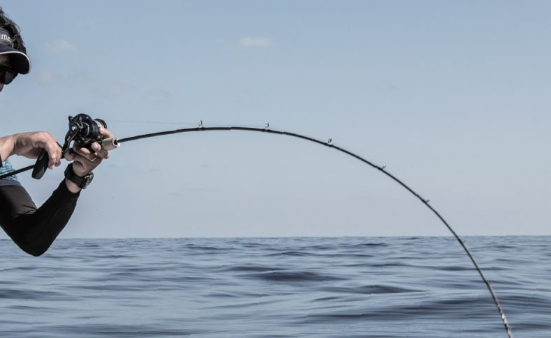
Advanced Jigging Methods
Try these advanced methods as you grow more at ease with the fundamentals:
Drop and Lift: Drop the jig to the bottom, then rapidly lift it several feet before letting it descend again. Strikes can start from this uncontrolled movement.
Jiging cadence: Changing the speed and strength of your jerkes that is, varying your jigging cadence may help you discover what best suits the fish on that specific day.
Recognizing Fish Behavior
One must grasp fish behavior if one is to succeed in jigging fishing. Unique habits and preferences abound among different animals. Fish activity can be much influenced by elements including water temperature, time of day, and meteorological conditions.
Selecting the Appropriate Jigging Freshwater Site
Freshwater jigging has application in many different settings. Here are some great locations to give thought:
Look for structures like dropped-off areas where fish like to hide, submerged rocks, and fallen trees.
Rivers: Great places to target species like trout and bass are current breaks, eddies, and deep pools.
Ponds: Particularly in the spring and fall, smaller bodies of water can be quite fruitful.
Sites in Saltwater
In coastal settings, saltwater jigging presents interesting prospects. Think about these areas:
Fish of several kinds find attraction on reefs and wrecks. Jigging around them has fantastic consequences.
Estuaries are perfect for jigging since they are nutrient-rich and draw varied marine life where freshwater meets saltwater.
Targeting bigger species such tuna, mahi-mahi, and grouper, deep-sea jigging can be rather fulfilling off-shore fishing.
Strategies for Jigging Fishing Success
Be patient; any fishing effort depends on this. Should you not achieve instant results, do not become demoralized. Fish often take time to show interest in your jig.
Play around with several jigs.
Fish have discriminating tastes in their prey. Try varying the jig size, color, or kind if you are not receiving bites. Many animals could react better to particular presentations.
Think About Conditions.
Fish behavior can be influenced by moon phases, temperature of the water, and weather. Monitoring these variables will enable you to decide when to fish.
See Other Voters.
One can learn from seasoned fishers quite advantagefully. Note their methods, gear selection, and jig types of use. You might find insightful advice meant to help you succeed personally.
Responsible Fishing Methodologies and Conservation Release after Catch
Practice catch-and-release fishing wherever you can to help fish numbers remain sustainable. Handle fish gently to reduce damage; use barbless hooks.
Respect Local Laws
Always follow local fishing rules concerning size and bag limitations. These regulations exist to preserve habitats and safeguard fish numbers.
Sort Your Own Mess
Leave your fishing area better than you discovered it to be. Sort your garbage correctly and consider how you affect the surroundings.
Finish
For all kinds of fisherman, jigging fishing is a dynamic and successful technique with many different chances. Correct gear, methods, and understanding will help you improve your fishing experience and raise your success possibilities. The excitement of jigging awaits you whether your fishing in freshwater lakes or saltwater oceans.
Remember to be patient, try several approaches, and respect the surroundings as you start your jigging fishing trip. Every trip will teach you new abilities and provide lifetime memories in the great outdoors. Good jigging!