Related Articles
“Catch These Freshwater Fish Species This Season”
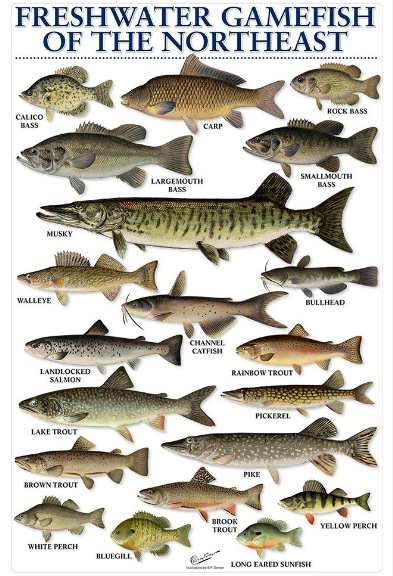
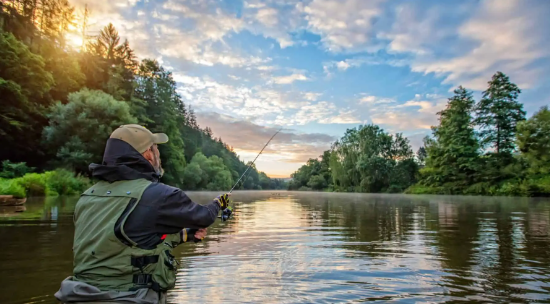
From quiet lake environments to fast-flowing rivers, freshwater fishing presents a wide range of experiences. Whether you’re a novice or an experienced angler, a good trip depends on knowing the several fish species you might find in freshwater habitats. This page explores the most often used freshwater fish species, their habitats and catching advice.
Appreciating Freshwater Habitats
Freshwater Body Types: Types
Rivers, lakes and ponds define three basic forms of freshwater environments. Every habitat offers special fishing chances and supports several fish species.
Rivers are flowing bodies of water with different speed of flow. Their varied spectrum of species is shaped by structure, water temperature, flow rate.
Larger, shallow or deep still water bodies are lakes. Lakes contain a range of species, and their several zones provide diverse fishing chances.
Smaller, generally man-made bodies of water are ponds. Their reasonable size and easily available fish population make them perfect for beginners.
Value in Water Quality
Maintaining fish populations depends on freshwater being of quality. The health of aquatic ecosystems depends much on pH, temperature, and pollution levels. Knowing these elements will help your fishing trip.
Popular Freshwater Fish Species:
Freshwater fishing can provide a rainbow of many species. The most often seen fish you could come across are these ones here.
1,Largemouth Bass: Habitat and Behavior
Rivers with slow flow, lakes, and ponds all abound in largemouth bass. Often found close to plants, underwater buildings or around rocks, they enjoy warmer waters.
Methodologies for Fishing
Catch largemouth bass with methods including:
Topwater Fishing: Particularly in early morning or late evening, using lures that float on the surface will draw aggressive bass.
Using weighted lures that resemble prey this approach which works best in deeper waters jiggers.
- Rainbow Trout: Habitat and Actions
Rainbow trout find great habitat in lakes and cold, clean freshwater streams. Usually found in riffles or close to underwater structures they favor places with lots of oxygen.
Methods of Fishing
Rainbow trout are captured with:
Especially using dry flies or nymphs that mimic real insects fly fishing is a fairly successful technique.
Using tiny spinners or spoons will also draw rainbow trout.
- Northern Pike Habitat and Actions
Northern pikes live in river and lake weedy sections. They can get really big and are well-known for their aggressive attitude.
Fishing Methodologies
Think about: catching northern pike
Moving your bait steadily across the lake will draw pike.
Given pike’s predatory nature live fish are typically a great bait.

- Fish Habitat and Behaviour
Rivers, lakes, and ponds all abound in catfish. They often are more active at night and like muddy bottoms.
Fishing Methodologies
Good techniques for catching catfish consist in:
Using heavy sinkers and bait like worms or chicken liver will help you have good success bottom fishing.
Using floating jugs with hooks and bait jug fishing lets one approach things more hands off.
- Bluegill Habitat and Conduct:
Lakes and ponds abound with bluegills, particularly around areas of vegetation. Though modest in stature they can be found in plenty.
Methodologies in Fishing
To find bluegill, try:
Light Tackle: One can be quite successful with ultralight rods and tiny hooks loaded with worms.
Bobber fishing is hanging your bait under a bobber so that bites are readily seen.
- Crappie Environment and Behavior
Found in lakes and reservoirs, crappie often surrounds submerged buildings. Since they are schooling fish, collective catching of them is simpler.
Methodologies in Fishing
Good techniques for crappie fishing consist in:
Spider rigging covering a big area with several rods may raise your chances of a capture.
Particularly during the spawning season, little jigs can be quite successful.
- Walleye Habitat and Activity
In lakes and rivers, walleye like deeper, cooler waters. They are most active in low light, say morning and evening.
Fishing Methodologies
To go for walleye, think about:
Drifting lets you cover more water and presents your bait organically.
For walleye, trolling with crankbaits or spinners can be quite successful.
Advice on Seasonal Fishing: Spring
As water temperature rises in spring fish start to move more actively. Concentrate on shallow places where fish spawn and use lures that resemble their natural prey.
Summertime
Fish might go for cooler seas in summer. Fish find the greatest periods to thrive early mornings and late evenings. Use smaller tackle and modify your fishing approach depending on the particular species.
Fall.
Fish get ready for winter when tempers fall. To draw in sleepy fish target deeper areas and think about employing slower presentations.
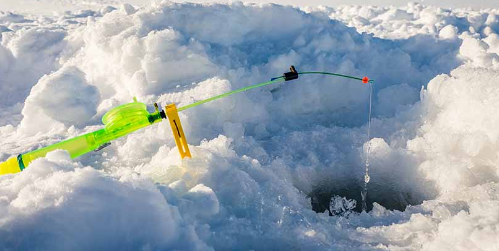
Winter: Ice fishing might be a singular event in winter. Concentrate on established areas where fish gather and draw them using small jigs or bait.
Tools and Equipment for Gear
Rels and Rods
Freshwater fishing calls for the correct rod and reel. The following are some choices:
Appropriate for many freshwater species spinning rods are flexible and simple tools.
Larger species like bass and pike would find more control and accuracy offered by baitcasting rods.
Attack and Attach and Bait
Success requires choosing the right tackle and bait. Typical selections consist of:
Size of the hooks varies based on the intended species.
Effective for drawing fish are live bait including worms, minnows, and synthetic lures.
Equipment for Safety
Always give safety top importance when fishing. Necessary tools consist:
Especially crucial while fishing from a boat is life jacket.
First aid kits will help you be ready for little mishaps or crises.
Environmental Protection and Ethical Hunting
Value of Conservation
Maintaining decent fish numbers and ecosystems depends on sustainable fishing methods. Always respect local rules on size restrictions and catch limits.
Moral Fishing Methods
Should your capture fall short handle fish gently and swiftly return them to the ocean.
Always clean up after your fishing excursions to preserve natural environments.
Finish
A fulfilling pastime that lets you interact with the environment and offers an opportunity to catch several fish species is freshwater fishing. Understanding the habitats, habits, and fishing methods for every species will improve your fishing trip. Remember to treat the surroundings and engage in ethical fishing to guarantee that next generations may enjoy this amazing hobby. So gather your equipment, decide on a location and get ready for an aquatic adventure!