Related Articles
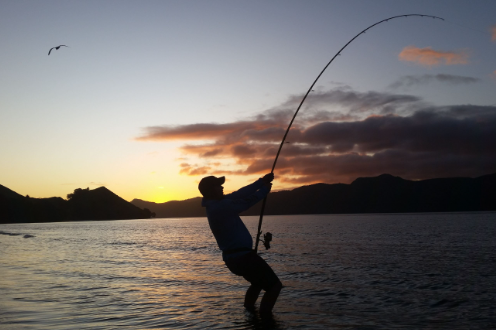
Fishing casting: the art and technique
Anglers of all stripes must be able to cast their fishing lines. Knowing the subtleties of casting will help you greatly improve your fishing experience, whether your level of experience is new and you want to catch your first fish or seasoned professional trying to hone your technique. This page will go over the several facets of fishing casting, including methods, tools, and advice to enable you to cast like a professional.
Grasping the Foundations of Fishing Casting
Describes Fishing Casting.
Fundamentally, casting a fishing line into the water is the method utilized in fishing. Placing your bait or lure where fish are probably to be depends on this ability. Your success on the water will depend on the quality of your cast, so it is an essential component of the fishing gear.
Why is casting relevant?
Casting calls for accuracy as much as for distances. The difference between a good catch and an empty hook may be found in a well-placed cast. Moreover, improving casting methods will enable you negotiate various fishing situations, from rivers to lakes to saltwater.
Kinds of Fishing casting methods
Overhead Castration
Rising the rod over your head and gently lowering it down is one of the most often used methods, known as overhead casting. Longer distances and open ocean fishing call for this approach.
Overhead Casting : Techniques
Direction Keeping your elbows near your body, hold the rod with both hands.
Load the rod by drawing it back over your shoulder to build tension.
Create the Cast: Bring the rod forward quickly to release the line at the correct moment for best distance.
Sidarm Casting
Under low-hanging branches or in other cases when overhead casting is not practical, sidearm casting is advantageous. This approach lets one have better control in confined areas.
Sidearm Casting Procedures
Holding your dominant hand at waist height, grip the rod.
Point the rod in a 45-degree angle toward the water.
Making the cast, swing the rod to the side and release the line.
Rolling Cast:
Mostly employed in fly fishing, roll casting is a method It lets you cast in limited space without using a backcast.
How One Should Perform a Roll Cast;
Arrange Your Line : Starting with the line on the water ahead of you,
To raise the line off the water, hold the rod tip upward.
Make the cast by pushing the rod forward with a wrist flick so the line rolls out in front of you.
Crucial Tools for Fishing Casting
Fishing Rods
Your casting performance will be much influenced by the fishing pole you use. Various fishing techniques and surroundings call for different rods.
Variations of Fishing Rods
Perfect for novices, spinning rods are flexible and simple tools.
For more accuracy and control, which fit experienced fishers, baitcasting rods.
Designed especially for fly fishing, fly rods let you present delicate movements.
Reels Made for Fishing
Your rod should be matched with the appropriate reel. There are several kinds of reels with different special characteristics.
Forms of Fishing Reels
Perfect for beginners and with simplicity of use are spinning reels.
Perfect for precision casting and heavier lures are baitcasting reels.
Made to compliment fly rods and offer seamless line retrieval, fly reels
Fishing Tools
Effective casting requires careful selection of a fishing line. The kind of line influences the action of your bait in the water.
Common Kinds of Fishing Lines
Good for overall fishing, monofilament lines are flexible and easy to handle.
Perfect for deep cover fishing, braided line gives great strength and sensitivity.
Nearly invisible underwater, ideal for clean water conditions is fluorocarbon line.
Advice on Correcting Your Casting Method
Practice Often
Like any ability, your casting technique will improve only with practice. Schedule time to hone in your backyard or neighborhood park.
Emphasize Your Position.
Your casting accuracy can be much improved with a strong stance. Keeping your weight balanced, stand with your feet shoulder-width apart.
Employ correct grip.
Your casting performance may change depending on your grip on the rod. Hold the rod firmly but not too tightly to let smooth movement pass through it.
Change your timing.
Casting requires perfect timing. Work on your cast’s rhythm to guarantee proper line release at the appropriate moment.
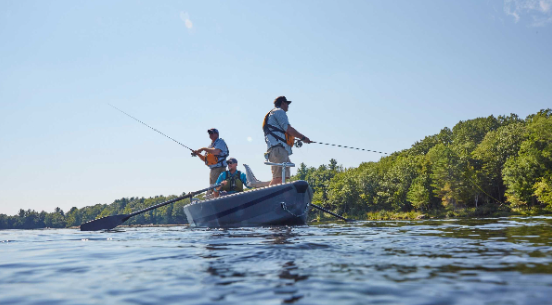
Casting in Various Locations
Freshwater Casting:
Generally speaking, freshwater fishing calls for different casting methods than saltwater. Knowing the particular requirements of freshwater bodies will help you be more successful.
Important Factors Affecting Freshwater Casting Vegetation Remember underhanging branches and submerged vegetation.
Depth Changes: Change your casting motion in line with the water’s depth.
Wind Conditions: Practice adjusting for the trajectory your cast takes.
Saltwatercasting
Fishery in saltwater can have special difficulties. The species targeted and the locality will affect the methods used.
Suggestions for Saltwater Casting Distance: Reaching fish in deeper waters could call for long casts.
Tidal movements should be known to affect fish behavior.
Learning to cast precisely in windy circumstances is vital.
The Part Casting Plays in Catching Fish
Dealing with Fish Behavior
Understanding fish behavior will help you to improve the casting efficiency. Targeting your casts more precisely will depend on knowing where fish are most likely to be.
Factors Affecting Fish Movement
Time of Day : Fish are frequently most active at dawn and sunset.
Changing weather conditions could affect fish eating patterns.
Different species want different water temperatures.
Lure Selection and Presentation Methodology
Your success can be much influenced by the kind of bait you use and the presentation technique you apply. Try several lures and methods to choose the best one.
Final Thought
Fishing casting is a medium of art combining knowledge of the surroundings, technique, and ability. Your chances of a good fishing excursion will increase if you become proficient in the several casting techniques and use appropriate tools. Practice and patience are essential whether your fishing is in freshwater or saltwater. So grab your pole, strike the water, and have the fulfilling sensation of fishing casting.