Related Articles
Ten Key Fishing Strategies Every Angler Should Know
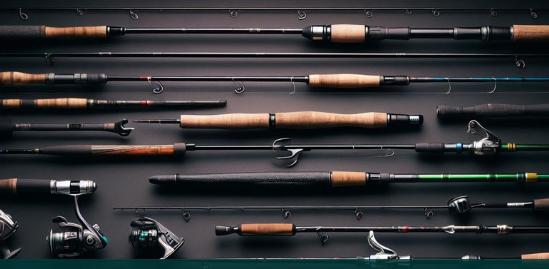
Fishing is a means of connection with nature, relaxation, and the excitement of the catch not only a pastime. Whether your level of experience is new or advanced, learning fundamental fishing skills will greatly improve your time on the lake. Ten essential fishing tactics any angler should be familiar with will be discussed in this post so you are ready for your next fishing trip.
- Know the Foundations of Casting
The Value of Castings
Fundamental to fishing is casting. A well-made cast can make all the difference between a great day on the water and returning empty-handed.
Methods to Enhancement of Your Casting
Most often used casting method is overhead cast. Holding the rod at a 90-degree angle, stand with your feet shoulder-width apart and bring it back across your shoulder. To release the line, then, flick your wrist forward.
This method, which is best used in confined areas, is swinging the rod horizontally to enable more exact positioning of your bait.
Practice makes perfect.
Practice in your home or a surrounding park to hone your casting. Your technique will improve and accuracy and distance will rise as you practice.
- Perfecting Knot Tying: Why Knot Tying Matters
Securing your hook, lure or bait to the line calls for a robust knot. Frustration and lost catches might follow from poorly tied knots.
Important knots to be aware of
Greater Clinch Knot: Perfect for hook security this knot is robust and simple to tie.
Excellent for lures, palomar knot gives dependability and strength.
Excellent for topwater fishing, a loop knot lets your lure float free in the water.
Advice on Perfect Knot Tying
Wet your knots always before tightening them. This guarantees that your knots keep great strength by lowering friction and avoiding line damage.
- Choosing the Correct bait
Bait’s Part in Fishing Success
Your odds of catching fish will be much changed by the choice of bait. Various species find attraction in different kinds of bait.
Freshwater fishing would benefit much from worms, minnows, and leeches as types of bait.
Artificial lures move and look like prey. Among common forms include crankbaits, jigs, and spinners.
Matching Bait to Conditions
Think about the kind of fish you are aiming for, together with the water conditions and season of year. Examining local fishing reports can also help one understand what bait is now effective.
- Analyzing Fish Behavior
The Significance of Fish Behaviour
Understanding fish behavior in various surroundings and conditions may help you increase your chances of a good capture.
Temperature: Fish are cold-blooded so their activity level varies with temperature. Often, warmer water boosts feeding activity.
Time of Day: Dawn and sunset find many fish most active. Arranging your fishing visits around these times will help to get better results.
Seeing the Environment
Consider neighboring fauna, weather patterns, and water clarity. These elements can give hints on the locations of fish.
- Selecting Essential Fishing Gear for Every Angler
Your fishing experience will be much different depending on the correct tools.
Variations of Fishing Rods
Rods spinning: Great for beginners, these flexible and simple to use rods are
For aiming at particular fish, cast rods give better control and accuracy.
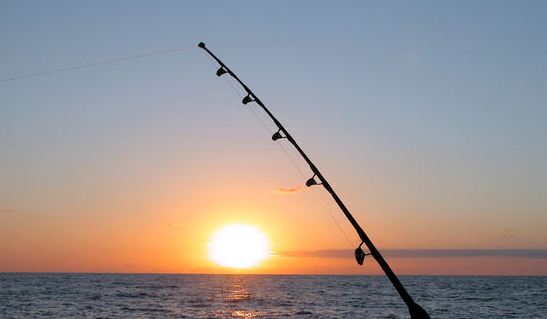
choosing the correct reel
Select a reel in line with your fishing technique and rod type. While baitcasting reels give more control for expert fisherman, spinning reels are easy for anyone.
Line Choice
Among the several varieties of fishing line are braided, fluorocarbon, and monofilament. Every offers benefits; so, while choosing, take strength and visibility into account.
- Developing endurance and patience
The character of fishing
Fishing calls for endurance. Not every cast will catch, but tenacity pays off.
Maintaining Hope
Though on slow days, keep a good attitude. Every fishing expedition presents a chance for enjoyment of the surroundings as well as learning.
Strategies for Maintaining Patience Set Objectives For every trip, concentrate on particular objectives include honing your casting technique or visiting a new fishing location.
If you’re feeling annoyed, pause to unwind and enjoy the surrounds. Often, distance helps one to regain clarity.
- Using Various Methods
Flexibility in Fishing Methods
Using several fishing approaches will increase your chances of success.
One popular method to investigate is dragging a baited line behind a moving boat. It works well for covering big water surfaces.
Fly fishing is a specialist method utilizing lightweight flies that calls for experience but can be quite satisfying.
Targeting fish found close to the bottom of the water column, this method works effectively in deep waters.
Try other approaches.
Try several methods depending on your surroundings and the target species without delay. Every technique presents a different experience and can help you develop into a more balanced angler.
- Reading Water and spotting hot areas
Recognizing Water Conditions
Any angler must be rather good in reading water. Finding fish will save you time and raise your chances of success.
Fish Movement Signs
Search for signs of fish existence including:
Surface Activity: Suggestions of nearby fish could come from ripples, jumping fish, or feeding birds.
Fish frequently gather in regions that offer food and cover around structures like rocks, submerged logs, or weeds.
Charting Hot Spots
Track your fishing excursions in a notebook, highlighting good areas. You will create a mental map of hot places in your preferred fishing venues over time.
- Working on Catch and Release.
The Value of Environment Protection
By means of catch and release, one guarantees future generations to enjoy fishing and helps preserve fish populations.
Methods for a Safe Release
Handle fish carefully. Minimizing damage to the protective slime of the fish, use moist hands or a rubber net.
Keep the fish in the water as much as you can and steer clear of extended handling.
advantages of Catch and Release
Through catch and release, you support environmentally friendly fishing methods and help to guarantee that fish numbers will always be strong and plentiful.
- Constant Learning and Enhancement
The Dynamic Character of Fishing
One ability that one can always get better is fishing. Constantly learning keeps you current on the newest methods and approaches.
Books and magazines devoted to fishing methods, advice, and gear reviews abound for your study.
Join forums and social media groups where you may exchange stories and grow personally among other fishermen.
Many towns provide local seminars and courses to assist you grow in knowledge and hone your abilities.
Accepting Novel Difficulties
Challenge yourself to visit different sites, approaches, or species. This improves your knowledge and abilities as well as keeps fishing interesting.
Finish
One of the rewarding activities with countless chances for development and adventure is fishing. Learning these ten basic fishing tactics can help you to improve your abilities, raise your chances of a good catch, and maximize your enjoyment of your time on the lake. Recall that patience, experience, and a readiness to learn are the three secrets to developing a great angler. Prepare, then launch yourself into the sea to create lifelong memories. Cheers to great fishing!