Related Articles
The Science of Lures: The Value of Action and Color
Fishing is a combination of art, science, and heritage rather than only a hobby. Among the several tools and methods a fisherman has at hand, lures are absolutely vital. Your fishing success will be much enhanced if you know the science underlying lures more especially, how color and action affect their effectiveness. This post will go over the minute elements of lure design, the psychological effects of colors, the value of movement and useful advice on selecting the correct lure for your fishing trips.
Knowing Lures: A Synopsis
Let’s define lures and their intent before delving into the details of color and motion. Artificial baits meant to draw fish called lures. Reflecting the natural prey of fish, they vary in form, scale and design. Encouragement of fish to strike is the main objective since it starts a reaction that results in a catch.
Fishing Loves’ Development
Over the years, fishing lures have changed dramatically. From basic handcrafted wooden lures to sophisticated plastic designs, the development shows changes in materials and a better knowledge of fish behavior. This evolution has produced specialized lures suited for various species, water conditions, and fishing methods.
Color’s Function in Fishing Lures
Among the most important considerations for lure design is color. It affects a fish’s instinctive response to the lure as well as its visibility of it. Let us investigate how color affects fishing performance.
The Science of Colour Perception
Fish have different visual systems than people have. Though their color vision differs depending on species and habitat, most fish can sense colors. For example, whilst certain fish are more sensitive to particular wavelengths, others can sense UV light. When choosing lures, this variation is quite important.
Water clarity and color choice
The water’s clarity directly influences the most effective colors. The greatest option in clean water is usually natural hues that reflect the fish’s natural prey. On the other hand, brighter colors such as chartreuse or fluorescent patterns can stand out and draw fish in muddy or stained water.
Color’s Psychological Effects
Colors arouse feelings and instincts this is true of fish too. While more subdued tones might be viewed as food or a natural threat bright colors can cause curiosity and hostility. Knowing this psychological component will enable fishermen select the appropriate lure color for the intended fish response.
Combing for the Hatch
In fishing, the frequent phrase “matching the hatch” describes the habit of choosing lures that resemble local forage. For instance, utilizing a bait that mimics the color and size of the tiny shad will raise your chances of success if the water is overflowing with them.
The Value of Action in Lues
Although color is crucial, the action of a lure is just as if not more important. Whether a fish is drawn to a lure or ignores it totally depends on its movement across the water.
Different Lure Action Styles
Depending on their design, lures show different movements. These are some typical varieties:
Wobbling: Often setting off predatory instincts in fish, this behavior reflects the irregular movement of injured prey.
Many lures are made to flutter across the water, looking like dead baitfish. This action can attract wary fish.
Some lures provide a spinning action that, particularly in rough water, can grab the attention of a fish from a distance.
Depth and Velocity Thoughts
The efficiency of a lure can be much influenced by its depth of presentation and speed of retrieval. Different fish species prefer different depths and retrieval rates; so, your strategy must be adjusted.
Adapting to Fish Behavior
Water temperature, time of day, and seasonal trends all affect fish activity. Fish may be less aggressive in cooler months, for instance, and want a gentler presentation. Knowing these behavioral changes will enable you to choose the appropriate luring action for the given circumstances.

Combining Action and Color for Best Results
To attain best fishing results, one must take action in concert with color. A well-made lure appeals to fish more by combining realistic movements with pleasing colors.
The secret is experimentation.
Fishing is sometimes like trial and error. Don’t hesitate to play about with several color and action combinations. Try changing your lure if one method isn’t working to see whether that helps. Seeing fish behavior in reaction to different lures can reveal a lot.
Seasonal Modifications
Various seasons can affect the potency of particular colors and behaviors. Fish that are spawning in spring, for instance might react better to slower movements and natural hues. Summer on the other hand can demand more vivid hues and chaotic motions.
Selecting the Appropriate Lure for Various Situations
Choosing the suitable lure means knowing the target species as well as the surroundings. Let’s dissect some typical fishing situations and the best lures for each.
Freshwater Fishing
In freshwater habitats, such rivers and lakes your lure choice greatly depends on the kind of animal you are aiming for. Here are some samples:
Bass Fishing: Particularly in warmer months, a mix of vibrant colors and irregular motion performs nicely for bass. Popular selections are spinners or crankbaits.
Trout fishing: Often more wary are trout. Effective are natural colors and subdued movements like those found in jigs or spoons.
Saltwater Fishing
Because of the varied species and environments saltwater fishing often offers unique difficulties. Here’s what to think about:
Renowned for their strong strikes tarpon can be drawn with vivid colors and quick moving lures like poppers.
Snapper: Usually bottom feeders, these fish Excellent results can come from using lures that replicate natural bait at the correct depth.
Fishing in Variably Changing Water Conditions
Clear Water: Choose subdued movements and natural colors. In clean water, fish exercise greater caution.
Murky Water: To get the fish’s attention, choose strong colors and more forceful movements.
The Art of Lure Creation
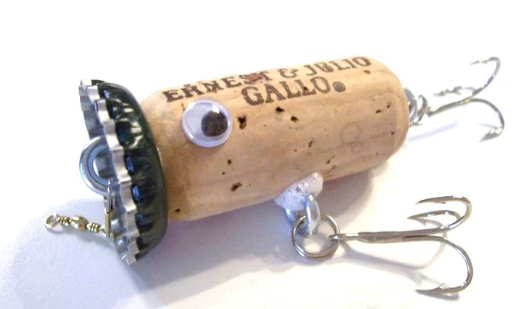
For those who enjoy fishing, customizing your lures might give your gear a unique touch. Knowing the fundamentals of lure making can create a universe of opportunities.
Ingredients for Lure Making
Your lures motion and durability will depend on the materials you decide upon. Here are some often used materials:
Wood: Though it needs more upkeep, traditional and can produce great motion.
Lightweight and robust, plastic lets a great variety of designs possible.
Often used for spoons and jigs metal offers a distinctive glow in the water.
Methods for Adaptation
Your lures will be more successful if you play around with colors and designs. Your lures’ appearance and motion can be improved with painting, adding reflective materials, or rattles.
Ultimately: Learning the Science of Lures
Any angler trying to increase their fishing success must grasp the science of lures how color and action matter. When choosing lures, take into account the special eyesight of fish the psychological impacts of color and the need of realistic action.
Recall that fishing is about experience as much as it is about the catch. Appreciate the learning, experimenting, and outside connection process. Whether you are a novice angler or a seasoned professional, learning the science of lures will help you to make your fishing trips more effective and fun events. Content fishing!