Related Articles
Which of fly fishing and spin fishing suits you?
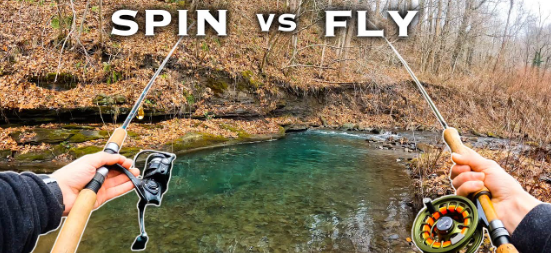
Fishing is an activity that ties you to nature, provides peace, and gives the excitement of the catch—not only a hobby. Two of the most often used fishing methods among the several ones are fly fishing and spin fishing. Every one has particular appeal, methods, and tools. To assist you decide which of fly fishing and spin fishing is best for you, we will examine in this post their variances, benefits, and drawbacks.
Learning the Foundations
Flying fishing is what?
Fly fishing is the technique whereby artificial flies are used as bait. Made to resemble insects or other food sources, these flies usually consist of synthetic materials, feathers, and fur. The casting method is the secret to fly fishing since it lets the angler gently lay the fly on the surface of the water.
Describes Spin Fishing.
By contrast, spin fishing uses rods and spinning reels. This approach lures and bait fish using a variety of techniques. Often more flexible, spin fishing lets a wide spectrum of fishing conditions from lakes to rivers and even saltwater possible.
Comparative Equipment Evaluation
Fly Fishing Equipment:
Fly fishing calls for the following tools:
Usually more flexible and longer than standard rods, fly rods
Made to store the fly line and enable seamless casting, fly reels
Heavier than normal fishing line, it helps to cast the light weight flies.
Th smaller lines tied to the fly line allow leaders and tippet to gently present the fly.
Fly fishing calls for either dry flies, wet flies, or streamers as the bait.
Essential equipment for spin fishing consists in:
Usually shorter and firmer, spinning rods give better control.
Perfect for novices and easy to operate is the spinning reel.
Strong lines able to survive several fishing environments are monofilament or braided line.
Lures and baits abound in spoons, jigs, and soft plastics among other materials.
Methods and Castings
Fly Fishing Styles
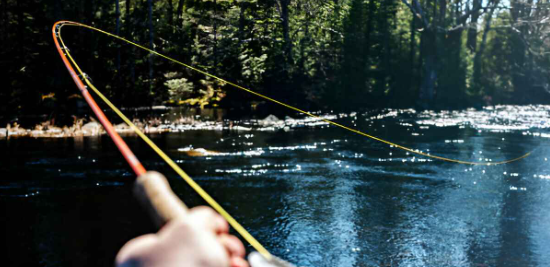
Fly fishing calls for a different casting method called the “double haul.” This approach generates a smooth, under control cast by combining the line and rod. Here are some fundamental methods:
Perfect for little distances or when backcasting is limited is roll cast.
Standard casting method used to precisely place the fly is overhead cast.
Correcting the line on the water will help to enhance presentation.
Spin Fishing Methods
Usually more simple, spin fishing methods are easily accessible for beginners. Important methods include:
Casting: A basic overhead cast allowing for several retrieval techniques.
Variations in your retrieve speed and technique will draw different kinds of fish.
Jigging: Particularly in deeper waters, enticement of fish by a vertical movement.
Target species fly fishing Target Agents
Often connected with species like: fly fishing is:
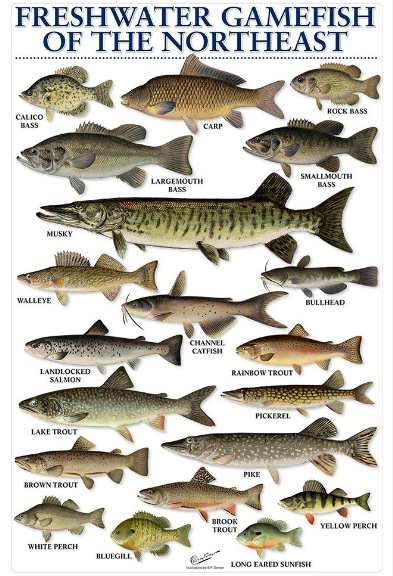
Trout: Particularly in rivers and streams of freshwater.
In lakes and slow-moving rivers, bass.
Found in particular areas and usually during breeding seasons, pikes and salmon
Target Species in Spin Fishing
Targeting a larger spectrum of species, spin fishing is flexible and lets you:
Bass: One can precisely target both smallmouth and largemouth.
Beginners would find species like bluegill and crappie excellent.
Often caught with specialized baits and methods include carp and catfish.
environmental influence
Fly Fishing and Conservation of Resources
Fly fishing supports environmental preservation quite a bit. Many fly fishermen use catch and release to help to guarantee sustainable fish numbers. The emphasis on certain habitats also promotes the preservation of ecosystems.
Spin Fishing and Environmental Issues
Although spin fishing can help conservation, it usually depends on different bait kinds, which might have varying effects on the surroundings. Maintaining aquatic habitats depends on conscientious fishing methods including following rules and using sustainable bait.
The Learning Curve
Is Fly Fishing Learning Difficult?
Because of its particular casting methods and specialized gear, fly fishing can be difficult for novices. Many, though, find it fulfilling with time and patience. Learning can be much accelerated by enrolling in a class or accompanying an experienced angler.
Does learning Spin Fishing make more sense?
Usually seen as more beginner-friendly is spin fishing. There is simpler casting procedure and intuitive equipment. Families and casual fishermen would find this a great option since many newbies discover success fast.
Budget Issues
Fly Fishing’s Price:
Fly fishing gear can cost more than spin fishing gear. Good reels, rods, and flies can add up fast. For individuals who develop a strong enthusiasm for the activity, the initial outlay can be reasonable though.
The Cost of Spin Fishing
With so many choices for various budgets, spin fishing equipment is sometimes more reasonably priced. For casual fishermen, the expenses related to lures and bait can also be more under control.
Where can one find best fly fishing locations? Fish
Fly fishing works well in particular settings, including:
Targeting trout and other freshwater species, rivers and streams are perfect.
Great for bass fishing, particularly in warmer months are lakes.
Some fly fishers target saltwater species including tarpon and bonefish.
Ideal Spin Fishing Locations
One can engage in spin fishing anywhere, including:
Bass, pike, and panfish will find lakes ideal.
Rivers are good for both little and big kinds of fish.
Ocean: A boat or shore spin fishing will produce a range of marine life.
Weather Issues
Fly Fishing under Various Conditions of Weather
Many times, fly fishing is impacted by the weather. For fishing, cloudy days can be rather good since fish often are more active. Usually the greatest times to find fish on the surface are early mornings and late evenings.
Spin Fishing with Varied Conditions
Spin fishing fits many different kinds of weather. Spin anglers have a flexible choice since they may attract fish with varied lures and approaches regardless of the weather—sunny, clouds, or rainy.
In essence, which is best for you?
Fly fishing and spin fishing are ultimately decisions based on your tastes, fishing objectives, and desired kind of experience.
If you prefer the artistry of casting, want a more difficult and skill-based approach, or value the conservation features of fly fishing, then choose that sport.
If you want a simpler, flexible, and easily available technique or if you’re seeking for a family-friendly pastime, choose spin fishing.
Both approaches present special opportunities and can be rather fulfilling. Think about attempting both to find which speaks to you more. Ultimately, fishing is about appreciating the surroundings and the calm it offers rather than only about the catch. Enjoy your fishing!