Related Articles

Advice on planning a fishing road trip: pointers and tricks
For any angler, one of the most thrilling events is organizing a fishing road trip. Whether your fishing is casual weekend warrior or experienced, driving the open road with your gear can result in amazing experiences. Everything you need to know to arrange the ideal fishing road trip including destination selection, gear preparation, and optimizing of success chances will be covered in this page. Let’s get right in!
Defining Your Destination
Selecting the Correct Sites
Choosing the appropriate location marks the beginning of your fishing road trip planning. Take a moment to think about these aspects:
Kind of Fishing: Would you choose saltwater or freshwater fishing? Different sites provide different species; hence, make sure you select one that fits your interests. For example, if you are aiming for trout, rivers and lakes in the Rockies could be perfect.
Seasonality: Find out when fish in your selected location would be most likely to be Some species have peak seasons; knowing these trends will help you to plan your vacation very effectively.
Access and Rules: Make sure you know of local rules and that you can reach fishing locations. Certain places might have limited fishing hours or call for particular licenses.
Investigating Fishing Locations
Researching particular fishing locations comes next after you have a destination in mind. Online tools can offer insightful information like local tourism websites and fishing forums. You could also want to get in touch with nearby fishing experts to learn about the best areas.
Setting Your Path of Action
Plotting Your Travel
Plotting your path comes next once you have chosen your fishing locations and destination. These ideas can assist you to design a sensible travel schedule:
Time and Distance: Project journey times and distances using mapping applications. Given your daily driving distance be reasonable especially if you intend to fish along the road.
Interesting stops along the way could be historical buildings local restaurants or scenic viewpoints. This might split your drive and enhance the enjoyment of the travel.
Sometimes the picturesque path is well worth the additional time. Look at other routes that can bring you less-known fishing areas or amazing sights.
Adaptations
Where you stay during your fishing road trip is quite important. There are various choices here:
If you enjoy the great outdoors, camping might be a fantastic way to keep near to your fishing areas. Many national parks and lakes have campsites often with conveniences.
Hotels or Motels: Search for hotels or motels targeted at fisherman if you value additional comfort. Many have facilities for your catch including cleaning stations.
Vacation Rentals: Homes close to well-known fishing locations abound on websites like Airbnb or VRBO. This choice gives extra room and a kitchen for cooking your catch.
Stocking Your Toolkit: Essential Fishing Equipment
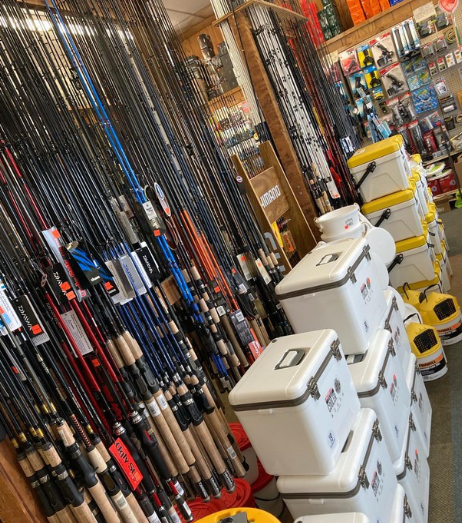
A great fishing road trip depends on packing the correct equipment. Here is a basic checklist:
Make sure your rod and reel fit the kind of fishing you intend to conduct. If you intend to fish for several species think about carrying several sets.
Organize a range of lures hooks and sinkers in your tackle box. Before you depart, find out which tackle is best for your intended species.
Not overlooked is your fishing license! Check the rules for the places you intend to fish in since criteria vary.
Personal objects and clothes
Apart from fishing equipment, bring clothes and personal goods fit for the temperature:
Layered Clothing: Particularly close to water, weather can change rapidly. Pack layers to remain cosy all through the day.
Walking on fishing trips need for waterproof boots or shoes. Seek for choices with decent support and traction.
Sunscreen and insect repellent will help you guard against the sun and bothersome bugs. Additionally helpful are polarized sunglasses and a broad-brimmed hat.
Preparedness and Safety
Getting Ready for Emergencies
Any road journey should first concern safety. These pointers make sure you are ready:
Pack a first aid pack including band-aids, antiseptic wipes, painkillers, and any personal drugs you might require.
Carry flares, a flashlight, extra food and drink as part of your emergency kits. In case of unanticipated events, these can be absolutely vital.
Before you start driving, be sure your car is in good shape. Check tires, brakes, and oil to prevent failures.
Maintaining Connections
Cell service might be erratic in rural places. Think about these choices to maintain relationships:
Portable Charger: By keeping your gadgets running a portable phone charger lets you remain in contact with relatives or call for assistance should need.
Should you intend to travel far into the woods, a satellite phone could be a wise purchase for security.
Tell someone your plan and schedule and make sure you check in often. Friend or relative. In this sense, someone will know your location should an emergency strike.
Making the Most of Your Fishing Time
Early Bird gets the fish.
Think about fishing early in morning or late in evening to enhance your success. Usually more active during these periods, fish help to produce better catches. Here are several techniques:
Timing: Find out how the fish species you are aiming at feed. This will enable you to ascertain the ideal fish timings.
To raise your odds of a catch, choose live bait or lures that resemble the area forage. Look for hints in what other fisherman are employing.
Methods : Try several fishing approaches. Should you not be obtaining bites, be sure not to hesitate to modify your strategy that is, either your throwing technique or your location.
Monitoring Your Catch
Maintaining a fishing log might have quite advantages. Here’s the justification:
Recording your catches will enable you to spot trends over time and hence improve your methods and approaches.
Memorable Events: The best approach to recall the highlights of your trip including the most picturesque locations and the largest catches is a fishing diary.
Share your experiences with friends or internet fishing groups to motivate others and enable you to interact with other anglers.
Savoring the Road Ahead
Accept the Journey.
Although your trip revolves mostly on fishing, remember to savor the trip itself. The following strategies help you maximize your road trip:
Take pictures to record the events a gorgeous sunrise, a great catch, or friend bonding. Images will aid in your memory of the journey long after it ends.
Speak with locals either guides or fisherman. They can improve your whole experience by providing insightful advice and local history stories.
Try Local Cuisine : Go to surrounding restaurants or sample local meals. This gives your trip more of a cultural component and enhances the experience.
Think about and organize.
Spend some time considering your travels when they end. What proved successful? For what could be better? This introspection will enable you to organize even more perfect future fishing road excursions.
Think about posting pictures online or writing about your journey. This not only aids in your documentation of events but also motivates others.
Plan your next adventure. Begin to consider your next road trip for fishing. Every trip will teach you more about what qualifies as a good and successful experience.
Finally
Designing a fishing road trip is about the whole experience from the open road to the tranquilly of the water not only about the destination. These advice will help you to guarantee that your trip is successful and fun. Recall that fishing is about building lifetime experiences rather than only about catching fish. So get ready, out on the road, and savor all nature has to give!