Related Articles
7 Top Saltwater Fishing Techniques
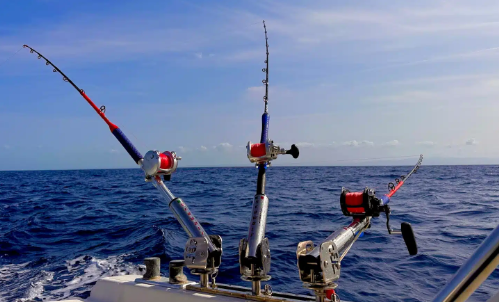
Anglers that fish in saltwater have an exciting opportunity to catch a range of species and take in the splendor of the ocean. Learning several fishing tactics will greatly improve your saltwater fishing trips regardless of your level of experience. The best seven fishing methods to optimize your catch and guarantee a great day on the lake will be discussed in this article.
- Bottom Fishing
Definition of Bottom Fishing:
Dropping lures or bait down to the ocean floor bottom fishing targets creatures that live close to the bottom. For catching fish like snapper, grouper, and flounder especially this method works really well.
How to Underline Fish?
You will need the correct equipment to effectively bottom fish. Given the weight of bottom fish, a strong line and a robust rod and reel are very vital.
Here is a methodical guide:
Choose the appropriate site by searching for objects like reefs or wrecks where fish often gather using a fish finder.
Select your bait
Good live bait are tiny fish or prawns. Alternatively you could use jigs or sliced bait.
Drop your bait down toward the bottom and let it settle. Maintaining a straight line will help you to feel any bites.
Feel a tug : then, fast reel in to set the hook. Get ready for combat!
Advice for Achievement
Investigate the tides. Fish are more active at several tide phases. Results might be better early mornings and late afternoon.
Use wisely your weight. Keep your bait on the bottom with adequate weight, but not too much so that reeling in becomes tough.
- Trolling Comprehending Examining
Pulling lures or bait behind a moving boat is the essence of trolling. Covering big areas and focusing on species like tuna, marlin and mahi-mahi this method works wonderfully.
How to Troll Effectively?
The following is the road map for succeeding trollers:
Choose the Correct Speed: Usually a speed between 4 and 8 knots is perfect. Change your speed according on the species you are aiming at.
Choose Your Lues: Select lures that reflect the fish you’re after’s natural prey. One may create a difference with color and scale.
arrange your rods. To raise your possibilities of a capture, use many rods at various depths and distances.
See Your Lines: Watch your lines for any indication of a fish including jumping or unexpected resistance.
Suggested Advice
See for birds: Birds plunging into the lake can point to schools of fish down below.
Experiment with Depth: Till you discover where the fish are biting, reach varying depths using downriggers or weights.
- Surf fishing
Surf fishing is what?
Surf fishing is throwing lines from the shore into the waves. Anglers can capture several species including striped bass, redfish, and pompano with this easily available approach.
Getting Started with Surf Fishing
Use these guidelines to maximize your experience surf fishing:
Look for places where waves break; this can help you to find fish activity.
Use Appropriate Gear: It is advised to have a long surf rod and a reel able of holding heavy line. For gear transportation a fishing cart can also be really convenient.
Popular surf fishing bait are sand fleas cut bait and shrimp.
Cast Your Line: Try for the breaking waves or troughs fish are most likely to visit.
Advice on surf fishing Achievement
Time of Fishing: Fish usually eat sunrise and dusk. Plan your visits in line with this.
Track the seasons: See the Weather Surf fishing is best on calm days with light winds.
- Flying Fishing
Define fly fishing.
Using lightweight lures, or “flies,” fly fishing is a specialist method for catching fish. Targeting species like bonefish, tarpon, and permit in saltwater, this approach is rather successful.
Flying Fish Techniques
Starting fly fishing in saltwater follows a simple guide here:
Select the Correct Fly Rod: You really must choose a longer rod with a weight rating appropriate for saltwater.
Sort Your Flies: Sort your flies according to the local invertebrate and baitfish. Common flies consist in poppers and streamers.
Master the casting technique. Work on your casting to reach distance and accuracy. Usually utilized are overhead and roll castings.
Present Your Fly: To draw in fish, cast your fly outside the target zone and gently recover it.
Suggestive Advice
Fly fishing calls for experience. Be patient. If you fail immediately away, do not become demoralized.
Track Fish Behaviour: Watch how fish are eating to change your presentation.
- Kayak Fishing
The emergence of kayak fishing
Kayak fishing offers the pleasure of fishing together with the joy of paddling. This approach lets you reach places bigger boats cannot get.
Starting kayak fishing
These guidelines will help you to enjoy kayak fishing:
Choose a stable, fishing-specific kayak with rod holders and storage spaces.
Plan Your Trip: Research nearby waters and pick a spot well known for excellent fishing.
Bring appropriate gear. Important are lightweight rods tackle and safety gear. Not overlooked is a life jacket!
Starting and Fish: From a safe location launch your kayak; paddle to your fishing location and take in the peace of the sea.
Advice on Excellent Kayak Fishing
Remain Aware of Your Surroundings: To guarantee a safe experience be on alert for tides, currents and weather changes.
Fish Light : While kayaking, use simpler tackle to make reeling in fish easier.
- Inshore Sport Fishing
Describes Inshore Fishing.
Target species for inshore fishing are redfish, snook, and tarpon that call the waters near the coast. One can apply this method from the beach, piers, or boats.
Fish Inshore: Methods
Use these guidelines to best enhance your inshore fishing success:
Look for buildings like docks, mangroves, or sandbars where fish are probably to cluster.
Make the correct tackle. Most inshore species fit a medium-action rod with a 10-20 lb test line.
Determine Your Bait: While artificial lures can also be successful live bait like mullet or prawns performs nicely.
Aim for particular areas where fish are probably to hide cast precisely.
Inshore Fishing Advice
Fish at Ideal Times: Often the greatest periods for inshore fishing are early mornings and late evenings.
Be elusive. Minish sounds will help to prevent spooking fish.
- Deep Sea Angling
Describes Deep Sea Fishing.
Targeting bigger species like swordfish, shark, and tuna, deep sea fishing is an expedition taking you far offshore. This approach calls both knowledge and specific tools.
Starting with deep sea fishing
Approach deep sea fishing as follows:
Decide on the appropriate boat. One absolutely needs a strong, seaworthy boat. For beginners, chartering a boat with an experienced captain can be quite wise.
equip yourself correctly: Fighting large fish calls for strong fishing lines and heavy duty rods and reels.
Choose Your Lures and Bait : Use lures made for deep sea species or big baitfish.
Realize the depths. Learn about the ocean floor and the depths where target species abound.
Advice for Effective Deep Sea Hunting
Ready for the Elements? Along with lots of water, bring sunscreen and caps. Conditions on sea can change rapidly.
Follow the guidelines: Following local fishing rules and standards guarantees environmentally friendly methods.
Finish
Saltwater fishing presents a wide spectrum of methods, each with special appeal and difficulties. Discovering these top seven fishing techniques bottom fishing, trolling, surf fishing, fly fishing, kayak fishing, inshore fishing, and deep sea fishing you can improve your fishing abilities and maximize your time on the water. Keep in mind the surroundings, obey local rules, and most importantly, have fun on the expedition. Enjoy your fishing!