Related Articles
Protecting Nature: Benefits of Catch and Release Fishing
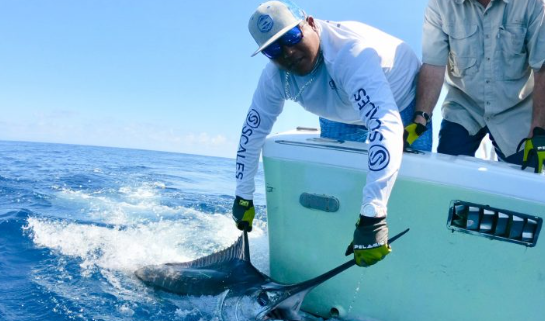
Catch and Release Fishing: Advantages
Long a favorite past time, fishing offers adventure, leisure, and a connection to the natural world. Of the several fishing techniques, catch and release fishing is one that most seems environmentally friendly. The several advantages of catch and release fishing for the fish as well as the environment, anglers, and next generations will be discussed in this article.
Catch and Release Fishing: definition
Anglers engaged in catch and release fishing catch fish intending to be returned to the water unharmed. Unlike conventional fishing, where the catch is retained for consumption, this approach Catch and release mostly aims to support environmentally friendly fishing methods and fish population preservation.
Catch and Release’s Philosophical Underlyingness
Catch and release fishing is based on conservation principles. Anglers understand that overfishing might cause population decreases since fish are essential elements of aquatic environments. Anglers may help guarantee good fish numbers for years to come by returning fish to their natural habitats.
Advantages for Fish Population Dynamics
- Saving of Species
The improvement in fish numbers that catch and release fishing brings is among its most important advantages. Overfishing, habitat loss, and pollution all provide challenges to many fish species. Anglers help to preserve these species by practicing catch and release, therefore enabling their reproduction and maintenance of good numbers. - Maintenance of Ecosystemues
Aquatic ecosystems depend on fish in vital capacity. They affect habitat structure, food webs, and nutrient cycling. Anglers help to preserve the balance of these ecosystems by releasing fish, therefore supporting not only the fish species themselves but also other species depending on them. - Enhanced Aquatic Welfare
Healthy fish numbers can result from catch and release fishing. Anglers give fish an opportunity to heal from stress and damage by returning them to the water. Furthermore, studies have revealed that, especially under appropriate handling, fish released after being caught often show better survival rates.
Advantage for Anglers - improved fishing experience
Fishing can be improved generally by catch and release techniques. When they release fish, anglers usually express more pleasure since it helps them to establish closer connection with the surroundings. Regular experience of the excitement of the catch helps one to develop a greater respect of the game. - Development of Skills
Catch and release helps fishermen to grow in their abilities. Part of the capture and release procedure are handling fish correctly, using barbless hooks, and applying methods that reduce damage. A more fulfilling fishing experience might result from this emphasis on skill improvement. - ethical angling
Many fisherman discover that catch and release fits their values. Fish released show a dedication to moral fishing methods by choice. This decision not only shows regard for the surroundings but also models behavior for other members of the fishing community.
Environmental Benefits - Less Environmental Impact
Catch and release fishing reduces the effects on the surroundings related to fishing. Anglers assist to conserve aquatic biodiversity and healthy ecosystems by returning fish to their habitats. In places where fish numbers are endangered, this habit is especially crucial. - Promoting Ecological Behaves
Catch and release fishing’s appeal fuels a larger movement toward environmentally friendly fishing methods. More anglers adopting this approach raises knowledge of the need of conservation and ethical fishing practices. This cultural transformation might result in more important modifications in fishing laws and methods. - Maintenance of Important Habitats
Usually in places where fish habitats are under danger, catch and release fishing takes place. Anglers may help to safeguard these important ecosystems from pollution and degradation by advocating conservation. Good ecosystems help a variety of animals in addition to fish.
Catch and Release’s Scientific Interpretation
comprehending fish physiology
Understanding fish physiology is absolutely necessary to conduct good catch and release. Fish have special characteristics that help them to survive in aquatic surroundings. Understanding how fish react to stress and damage can help to guide optimum practices for release.
Correct Methodologies of Handling
Anglers have to pick up good handling skills if they want best survival rates. This covers avoiding too much handling, weting hands before touching fish, and using the proper instruments to reduce damage. Following these rules will help anglers guarantee that released fish have the highest opportunity of survival.
Technology’s Part:
Technological advances have substantially enhanced capture and release methods. Underwater cameras, fish finders, and specialized release equipment enable fishermen to find fish and bring them back to the water with least disturbance. These tools help to improve the catch and release experience.
Support Catch and Release Fishing
Awareness and Instruction
Encouragement of catch and release fishing starts with instruction. Events in the community, seminars, and workshops can help to spread knowledge about the advantages of this approach. Communities may promote a culture of responsible angling by offering knowledge on correct methods and the need of conservation.
Cooperation of Fishing Groups
Promotion of catch and release techniques depends much on fishing groups. These groups can promote general acceptance of catch and release by supporting sustainable fishing rules and provide tools for anglers. Working together will help to bring about better fishing practices.
Invigorating New Anglers and Youth
Future of the sport depends on involving new generations in catch and release fishing. Young people might be motivated to become responsible fishermen by educational initiatives emphasizing ethical fishing methods and conservation. This participation might inspire a lifetime respect of the surroundings and its resources.
Challenges in Catch and Release Fishing
Mistakes Regarding Catch and Release
Catch and release fishing suffers misunderstandings even with its advantages. While some see it as a less respectable kind of fishing, others think fish do not survive once captured. By means of outreach and education, addressing these misunderstandings will help to advance a better knowledge of the profession.
Value of Correct Methods
Catch and release loses some of its advantages without correct tactics. Those who mishandle fish could unintentionally hurt them. To guarantee the health and survival of released fish, fishermen must be taught the appropriate procedures for capture and release.
Control Issues for Regulations
Laws pertaining to catch and release fishing could be vague or insufficient in some areas. The ongoing success of catch and release fishing depends on support of sustainable practices and unambiguous laws. Improved laws result from cooperation among legislators, environmentalists, and fishers.
In essence, a sustainable future for fishing.
Not only for fish numbers but also for the environment and fisherman themselves, catch and release fishing provides a lot of advantages. By using this sustainable strategy, we help to protect aquatic environments and guarantee that fishing will be available for next generations. Catch and release fishing is a pillar of responsible angling that we can support with education, awareness-raising, and community involvement. Let’s embrace conservation, respect, and ethical fishing methods as we look ahead to guarantee a rich aquatic environment for next generations.