Related Articles
An exciting technique combining skill, strategy, and patience to capture fish is fishing trolling. Whether your level of experience with fishing is low or high, knowing the nuances of trolling will greatly improve your fishing trip. This book seeks to provide you a complete picture of trolling, covering everything from tools and methods to success advice.
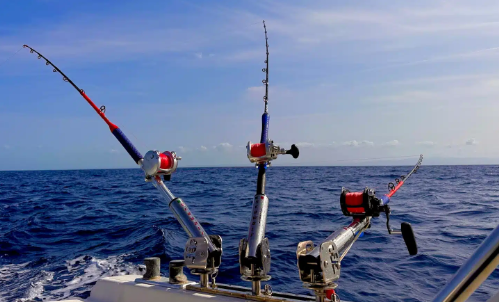
Trolling is: what?
To draw fish, trolling consists on dragging baited lines behind a moving boat. Both freshwater and saltwater fishermen employ this method extensively. The species you are aiming for will affect the speed and depth at which you troll, hence this is a flexible method for many fishing environments.
Trolling : Background
Root in ancient fishing methods, trolling has been done for millennia. It has developed throughout time adding cutting-edge equipment and technologies. Both commercial fishermen and recreational anglers now find trolling to be a popular technique.
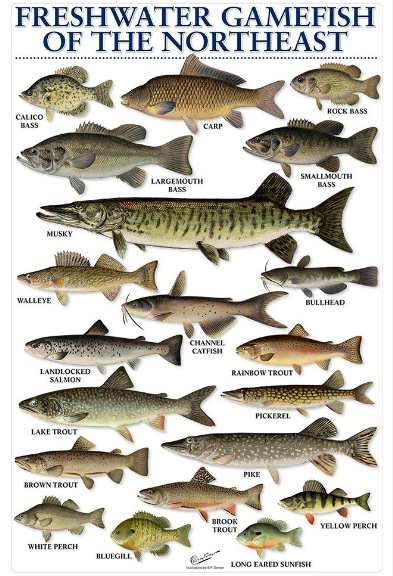
Usually occurring on lakes, rivers, and reservoirs, freshwater trolling is one type of trolling. Many times, anglers target species including pike, bass, and trout.
1.Techniques: Anglers using smaller lures and slower speeds often between 1 and 3 miles per hour may find freshwater easier.
2.Trolling in Saltwater
Often used in oceans and seas, saltwater trolling targets bigger species including tuna, marlin, and sailfish.
With larger lures and baits, saltwater trolling usually calls for quicker speeds between 4 and 10 miles per hour.
Fundamental Trolling Tools
You need the correct tools if you are to effectively troll. The core is broken out here.
rods and reels
Selecting the right rod and reel combo is absolutely vital.
Usually measuring between 6 and 12 feet in length, a flexible yet strong rod should be sought for.
Reels: Choose a top-notch reel with a decent drag system to better properly manage bigger fish.
Trolling devices
Keeping a consistent pace while trolling depends much on a trolling motor.
While gas motors give more power for larger boats, electric motors are quieter and give superior control.
Leaders in Lines
Success in fishing depends on choosing the correct leader and line.
Braided lines give strength and sensitivity; monofilament lines give stretch.
Authorities: Fluorocarbon leaders’ invisibility in water and abrasion resistance make perfect sense.
Lures and Baits: Your trolling experience may or may not be ruined by the lures or baits you choose.
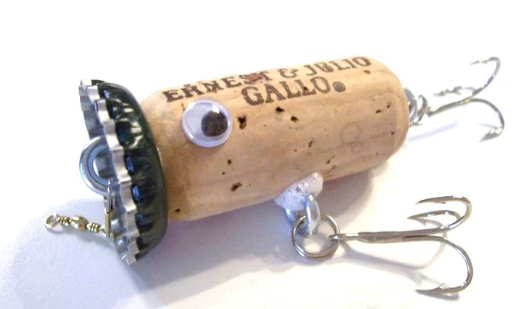
Lures could be diving baits, spoons, or plugs. The choice relies on the water conditions and target species.
Live bait such worms or minnows can be quite successful in drawing fish.
Getting Your Trolling Gear 1. Route Planning
Plan your trolling path very well before leaving.
Chart the Territory:
Find places with decent fishing with fishing maps.
Take into account the weather. Fish behavior might be affected by the weather; so, review forecasts and modify your preparations.
Rigging Your Lines
A good expedition depends on properly straying your lines.
Change the lengths of your lines to cover varying depths and raise your possibilities of drawing fish.
Use weights to enable your lures descend the required depth.
Techniques of Trolling
1.One can control speed by use of
trolling depends critically on speed.
Experiment with several speeds to find what best for the species you are aiming for.
Use a GPS; it will enable you to locate the correct rhythm and help you to keep a constant speed.
- Control of Depth
Your lures’ depth of swimming must be precisely under control.
Use diving lures designed to reach farther-off seas.
One way to more accurately control the depth of your lines is to use downriggers.
- Turn and Change Direction
Turning around and changing direction can set off fish to attack.
Making a turn will cause your lures to move in a manner that simulates fleeing prey, therefore drawing in most fish.
Knowing water conditions will help you to greatly increase your trolling success.
- Water temperature
Fish frequently favor particular ranges and are sensitive to temperature fluctuations.
Look for warmer water close to the surface; this will draw baitfish, which will draw bigger fish.
Two: Tides and Currents
With saltwater fishing, tides and currents are rather important.
Plan your travels around tide fluctuations to raise your chances of success.
Safety Guidelines for Trolling
If you use some simple safety measures, fishing trolling can be a fun and safe activity.
- Life jackets
Wear a life jacket always on the boat.
Policies: Make sure your boat has enough life jackets for every passenger on board.
- Climate Consciousness
Keep up with the weather.
Review local weather forecasts before leaving to prevent unannounced storms or dangerous conditions.
- Emergency Fund
Bring an emergency kit aboard.
In an emergency, have a first aid kit, flares, and a fire extinguisher among other things.
Navigating Etiquette
A good fishing experience depends on appreciating the surroundings and other anglers.
1.One should keep distance.
Respectful distance from other boats.
Steer clear of crowding to encourage everyone to enjoy their fishing experience and avoid mishaps.
- After Yourself: Clean Up
Make no trace behind you.
Proper disposal of garbage and fishing line will help to save aquatic life.
Finally
A satisfying approach that lets anglers enjoy the great outdoors and catch a range of fish is fishing trolling. Understanding the tools, methods, and equipment described in this book will help you to maximize your trolling experiences. Always put safety first; respect other anglers; and enjoy the process of improving your abilities on the lake. Happy surfing!